Call Us: +27 63 169 8798

Top 15 Chemicals Used in Water Treatment Plants
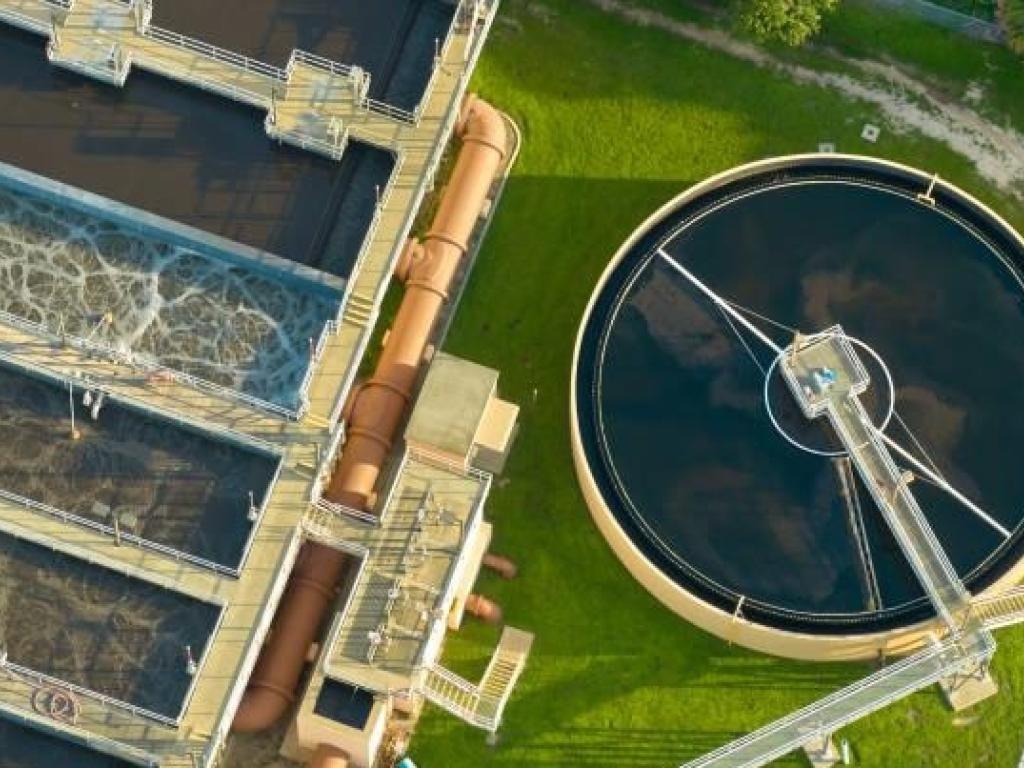
Water treatment plants rely on a variety of chemicals to remove contaminants, control bacteria, adjust pH levels, and improve water clarity. These chemicals play an essential role in ensuring that drinking water and wastewater are properly treated before distribution or discharge.
Different treatment stages require specific chemicals that perform functions such as coagulation, disinfection, pH control, and oxidation.
Below are the top 15 chemicals commonly used in water treatment plants.
1. Poly Aluminium Chloride (PAC)
Poly aluminium chloride (PAC) is one of the most widely used coagulants in water treatment. It helps remove suspended particles and impurities by forming flocs that settle to the bottom.
PAC is commonly used in:
- Municipal drinking water treatment
- Industrial wastewater treatment
- Water clarification processes
Internal link:
Polyaluminium chloride water treatment
Polyaluminium chloride water treatment
2. Ferric Chloride
Ferric chloride is another powerful coagulant used in water purification. It helps remove phosphates, suspended solids, and organic matter from water.
Common uses include:
- Wastewater treatment
- Industrial effluent treatment
- Phosphate removal
3. Aluminum Sulphate (Alum)
Aluminum sulphate, also known as alum, is a traditional coagulant used to clarify water by removing suspended particles.
It is commonly used in:
- Drinking water purification
- Municipal water treatment plants
- Paper manufacturing
4. Calcium Hypochlorite
Calcium hypochlorite is a powerful disinfectant used to kill bacteria and pathogens in water.
It is commonly used in:
- Drinking water treatment
- Swimming pool sanitation
- Emergency water purification
5. Chlorine
Chlorine is one of the most widely used chemicals for water disinfection.
It helps eliminate harmful microorganisms and ensures a safe drinking water supply.
6. Sodium Hypochlorite
Sodium hypochlorite is another disinfectant commonly used in water treatment systems.
It provides effective microbial control and is widely used in municipal water treatment plant.
7. Hydrochloric Acid
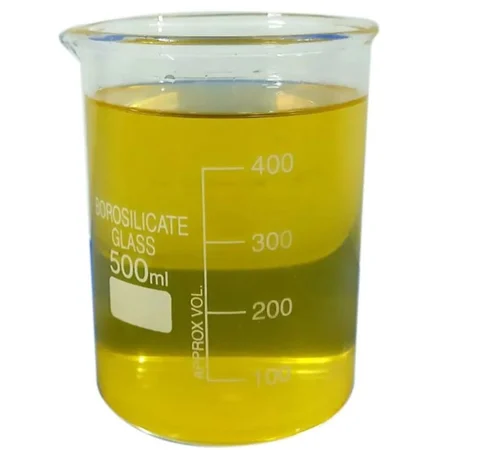
Hydrochloric acid is used to control pH in water treatment systems.
It helps maintain optimal chemical balance during treatment processes.
Internal link:
hydrochloric acid supplier
hydrochloric acid supplier
8. Sodium Hydroxide (Caustic Soda)
Sodium hydroxide is used to increase pH levels and neutralize acidic water.
It is widely used in:
- Drinking water treatment
- Industrial wastewater treatment
- Chemical processing plants
9. Hydrogen Peroxide
Hydrogen peroxide is used as an oxidizing agent to remove contaminants and improve water quality.
It is commonly used for:
- Removing organic contaminants
- Odor control
- Advanced oxidation processes
10. Activated Carbon
Activated carbon is widely used in water treatment plants to remove organic contaminants, chlorine, and odors.
It is commonly used in:
- Drinking water purification
- Industrial filtration systems
11. Sodium Bisulfite
Sodium bisulfite helps to remove excess chlorine from treated water.
This process, known as dechlorination, is important before wastewater is discharged into the environment.
12. Potassium Permanganate
Potassium permanganate is used as a strong oxidizing agent for removing iron, manganese, and sulfur compounds from water.
13. Lime (Calcium Hydroxide)
Potassium permanganate is used as a strong oxidizing agent for removing iron, manganese, and sulfur compounds from water.
14. Sodium Carbonate (Soda Ash)
Soda ash is used to increase alkalinity and stabilize water chemistry during treatment processes.
15. Polymer Flocculants
Polymer flocculants are used to improve coagulation by helping particles aggregate into larger flocs that settle more easily.
They improve treatment efficiency and reduce chemical consumption.
Why Water Treatment Chemicals Are Important
Water treatment chemicals help ensure that water is safe for drinking and environmentally safe for discharge.
They play important roles in:
- Removing suspended solids
- Eliminating harmful bacteria
- Controlling pH levels
- Improving water clarity
- Removing heavy metals and contaminants
Without these chemicals, modern water purification systems would not be able to effectively treat water for human and industrial use.
Where to Buy Water Treatment Chemicals
Industrial buyers and water treatment plants require reliable suppliers of water treatment chemicals to ensure consistent product quality and supply.
Companies can source water treatment chemicals from suppliers such as BRF SA CHEM, which provides chemicals for municipal and industrial water treatment applications across South Africa and Southern Africa.
Conclusion
Water treatment plants rely on a wide range of chemicals to ensure clean and safe water. From coagulants such as polyaluminium chloride and ferric chloride to disinfectants such as chlorine and calcium hypochlorite, each chemical plays an essential role in the treatment process.
A reliable supply of these chemicals is critical for maintaining effective water purification systems worldwide.