Call Us: +27 63 169 8798

Water Treatment Chemicals: Types, Uses & Applications
Water treatment chemicals are used to improve water quality by controlling suspended solids, microorganisms, pH, dissolved contaminants, scale, and other water-quality problems.
Municipal water plants, wastewater treatment facilities, and industrial operations use different chemicals at different stages of treatment. Common examples include Poly Aluminium Chloride (PAC), ferric chloride, aluminium sulfate, calcium hypochlorite, hydrogen peroxide, hydrated lime, soda ash and sulfuric acid.
Choosing the correct chemical depends on the water source, contaminants present, treatment objective, and required water-quality standard.
This guide explains the major types of water treatment chemicals, how they work, and where they are used.
What Are Water Treatment Chemicals?
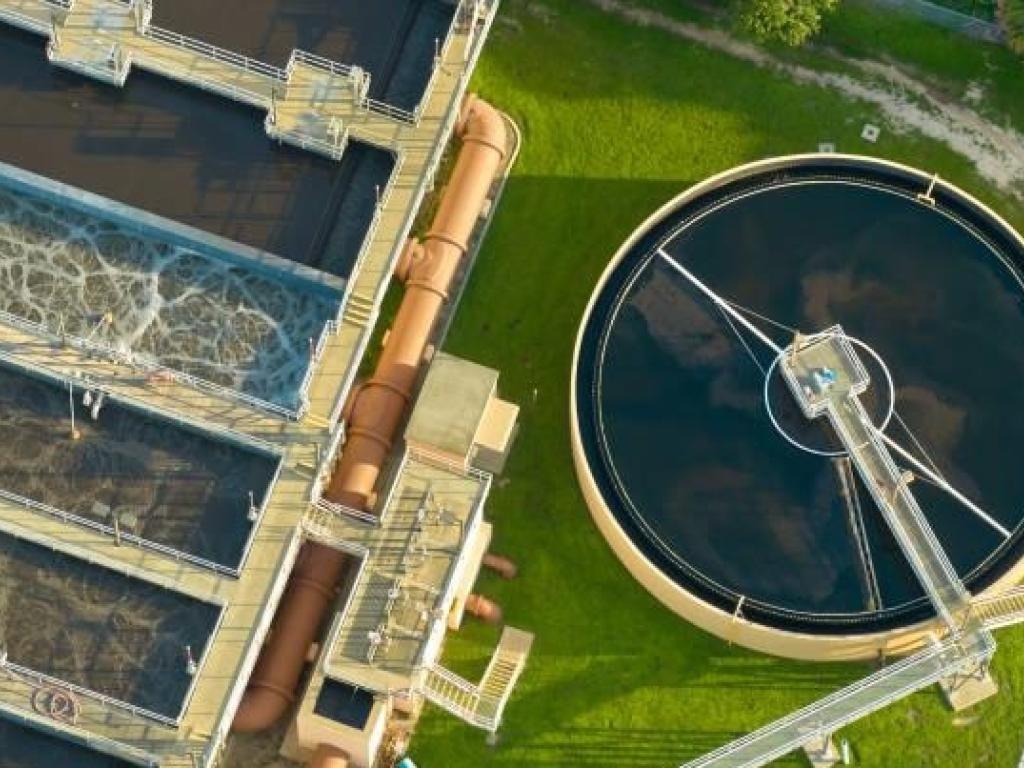
Water treatment chemicals are substances used during physical and chemical treatment processes to modify water chemistry, remove contaminants, or improve the performance of treatment systems.
Depending on their function, they can help:
- Remove suspended and colloidal particles.
- Reduce turbidity
- Disinfect water
- Control microorganisms
- Adjust pH and alkalinity.
- Oxidize selected contaminants
- Improve clarification and filtration.
- Control corrosion and scale
- Support sludge separation and dewatering
No single chemical performs every water treatment function.
A complete treatment process may therefore use several different chemicals at different stages.
Types of Water Treatment Chemicals
1. Coagulants
Coagulation is an important stage in many drinking-water and wastewater treatment systems.
Very small suspended and colloidal particles can remain dispersed because their surface charges prevent them from naturally combining and settling.
Coagulants destabilize these particles, allowing them to aggregate into larger flocs that can subsequently be removed.
Common water treatment coagulants include:
Poly Aluminium Chloride (PAC)
Poly Aluminium Chloride (PAC) is a pre-hydrolyzed aluminium-based coagulant widely used in municipal and industrial water treatment.
PAC helps destabilize suspended and colloidal particles so they can form larger flocs.
Typical applications include:
- Drinking water clarification
- Municipal wastewater
- Industrial wastewater
- Process water
- Mining water
- Pulp and paper wastewater
- Textile effluent
PAC performance depends on factors such as grade, dosage, pH, alkalinity, temperature, and raw-water characteristics.
Read more about our Poly Aluminium Chloride for Water Treatment.
Ferric Chloride
Ferric chloride is an iron-based coagulant used extensively in water and wastewater treatment.
It can support:
- Suspended solids removal
- Turbidity reduction
- Phosphorus removal
- Wastewater clarification
- Sludge treatment
Its performance depends on water chemistry, dosage, and treatment conditions.
Read more about our Ferric Chloride for Water Treatment.
Aluminium Sulfate
Aluminium sulfate, commonly known as alum, is another widely used coagulant.
It helps destabilize suspended particles and promote floc formation during clarification.
Applications include:
- Drinking water treatment
- Municipal water clarification
- Wastewater treatment
- Industrial process water
Read more about Aluminium Sulfate for Water Treatment.
2. Flocculants
Coagulation and flocculation are closely related but are not the same process.
Coagulants destabilize small suspended particles.
Flocculants help these destabilized particles aggregate into larger flocs that can be separated more efficiently by sedimentation, flotation, or filtration.
Polymeric flocculants may be used alone in selected processes or together with inorganic coagulants such as PAC and ferric chloride.
3. Water Disinfection Chemicals
Disinfection is used to destroy or deactivate harmful microorganisms.
Depending on the treatment system and applicable standards, disinfectants may target bacteria, viruses, and other pathogens.
Common chemical disinfectants include chlorine-based products such as calcium hypochlorite and sodium hypochlorite.
Calcium Hypochlorite
Calcium hypochlorite is a chlorine-releasing compound commonly used for water disinfection.
Applications can include:
- Drinking water treatment
- Municipal water systems
- Emergency water treatment
- Wastewater disinfection
- Industrial sanitation
When dissolved in water, calcium hypochlorite produces active chlorine species that provide antimicrobial action.
Correct dosing and residual control are particularly important in potable-water applications.
Read more about Calcium Hypochlorite for Drinking Water Treatment.
4. Oxidizing Chemicals
Oxidation is another important process in water and wastewater treatment.
Oxidizing chemicals can react with selected dissolved or organic contaminants and may also assist with odor, color, and microbial control depending on the treatment system.
Hydrogen Peroxide
Hydrogen peroxide is a strong oxidizing agent used in various industrial and wastewater applications.
Potential applications include:
- Wastewater oxidation
- Odor control
- Sulfide oxidation
- Industrial process-water treatment
- Advanced oxidation processes when combined with suitable technologies
Treatment design should be based on the target contaminant and process conditions.
5. pH Control Chemicals
pH affects numerous water treatment processes, including coagulation, precipitation, corrosion, disinfection and biological treatment.
Treatment plants therefore use acidic or alkaline chemicals to maintain suitable operating conditions.
Common pH-control chemicals include:
- Soda ash
- Hydrated lime
- Caustic soda
- Sulfuric acid
- Hydrochloric acid
Soda Ash
Soda ash, or sodium carbonate, can be used to increase pH and alkalinity.
It may be used for:
- Acidic water treatment
- pH adjustment
- Alkalinity control
- Water conditioning
Hydrated Lime
Hydrated lime is used extensively in municipal and industrial water treatment.
Applications can include:
- Increasing pH
- Increasing alkalinity
- Water softening
- Supporting precipitation processes
- Wastewater treatment
- Sludge conditioning
Read more about Hydrated Lime for Water Treatment and Sewage Treatment.
Sulfuric Acid
Sulfuric acid can be used when treatment systems need to reduce pH or neutralize excessive alkalinity.
Industrial applications can include:
- pH reduction
- Process-water conditioning
- Wastewater neutralization
- Industrial water treatment
Acid dosing requires suitable equipment, process control, and safe handling procedures.
Read more about our Sulfuric Acid Supply.
6. Corrosion Control Chemicals
Corrosion can damage pipelines, boilers, cooling systems, storage tanks and other water-handling infrastructure.
Corrosion-control programs may involve:
- pH adjustment
- Alkalinity management
- Corrosion inhibitors
- Dissolved oxygen management
- Application-specific water conditioning
The correct treatment depends on water chemistry and the materials used in the system.
7. Scale Control Chemicals
Scale forms when dissolved minerals precipitate onto equipment and surfaces.
Common scale deposits can reduce heat transfer, restrict flow, and increase maintenance requirements.
Water treatment programs may therefore use:
- Antiscalants
- pH adjustment chemicals
- Water softening chemicals
- Dispersants
- Other conditioning treatments
Industrial cooling, boiler, and process-water systems frequently require dedicated scale-control programs.
8. Sludge Treatment Chemicals
Water and wastewater treatment processes often produce sludge containing concentrated solids and contaminants.
Sludge treatment chemicals can help improve:
- Solid-liquid separation
- Sludge thickening
- Dewatering
- Settling
- Handling characteristics
Coagulants and polymeric conditioning agents are commonly used depending on the sludge characteristics and treatment equipment.
Water Treatment Chemicals for Drinking Water
Producing potable water can require several treatment stages.
A conventional surface-water treatment process may include:
Coagulation → Flocculation → Sedimentation → Filtration → Disinfection
Different chemicals perform different functions within this sequence.
For example, PAC, ferric chloride, or aluminium sulfate may be used for coagulation, while an appropriate disinfectant is used later to control microorganisms.
Potable-water treatment chemicals must meet the relevant regulatory and quality requirements of the jurisdiction where they are used.
Water Treatment Chemicals for Wastewater
Wastewater treatment has different objectives from drinking-water treatment.
Municipal and industrial wastewater can contain:
- Suspended solids
- Organic matter
- Oils
- Metals
- Nutrients
- Color
- Process chemicals
- Microorganisms
Chemical treatment can support clarification, precipitation, pH adjustment, phosphorus removal, sludge treatment, and disinfection.
The treatment program must be designed around the actual wastewater composition and discharge or reuse requirements.
Industrial Water Treatment Chemicals
Industrial water chemistry can directly affect production efficiency, equipment life, and wastewater compliance.
Water treatment chemicals are commonly used in:
Mining
Mining operations can use coagulants, flocculants, acids, alkalis and other treatment chemicals for process water, mine water, and wastewater.
Food and Beverage Processing
Treatment may be required for incoming process water, cleaning systems and wastewater.
Power Generation
Water chemistry control is important in boilers, cooling systems and other power-generation processes.
Pulp and Paper
Coagulation, clarification and wastewater treatment chemicals can help manage suspended solids and process contaminants.
Textile Manufacturing
Textile effluent can require coagulation, oxidation, pH adjustment and other treatment processes.
Chemical Manufacturing
Chemical plants may require raw-water conditioning, process-water treatment, cooling-water management and wastewater treatment.
How to Choose the Right Water Treatment Chemical
Selecting a water treatment chemical should start with the water itself.
Important factors include:
- Raw-water composition
- Turbidity
- pH
- Alkalinity
- Temperature
- Organic matter
- Target contaminants
- Treatment objective
- Existing treatment equipment
- Required water quality
- Local regulations
- Chemical handling capabilities
For coagulants, treatment operators frequently use jar testing to compare products and determine an appropriate dosage.
The lowest-priced chemical is not necessarily the lowest-cost treatment option. Dosage, sludge production, handling, equipment compatibility and overall treatment performance should also be considered.
Disinfectants Used in Water Treatment
Disinfectants eliminate bacteria, viruses, algae, and harmful microorganisms from water systems.
Water Treatment Chemicals Supplier
BRF SA Chemicals supplies a range of water treatment chemicals for municipal, industrial and wastewater treatment applications.
Our range includes:
- Poly Aluminium Chloride (PAC)
- Ferric Chloride
- Aluminium Sulfate
- Calcium Hypochlorite
- Hydrogen Peroxide
- Hydrated Lime
- Soda Ash
- Sulfuric Acid
- Other industrial treatment chemicals
Products are available for commercial and bulk requirements, subject to grade, specification, and availability.
Supporting documentation can include:
- Certificate of Analysis (COA)
- Safety Data Sheet (SDS/MSDS)
- Technical product information
- Commercial invoice
- Packing list
- Certificate of Origin where applicable
- Export and shipping documentation
Bulk Water Treatment Chemicals for International Buyers
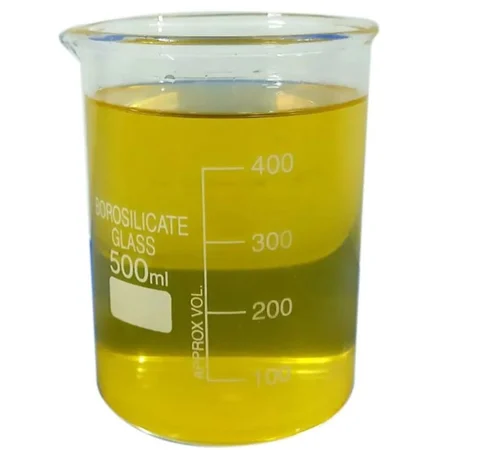
BRF SA Chemicals supports commercial buyers requiring water treatment chemicals for municipal facilities, industrial operations, wastewater plants, and chemical distribution.
Our export focus includes customers across South and Central America, the Middle East, Africa, and other international markets.
For an accurate quotation, buyers should provide:
- Chemical required
- Grade or specification
- Quantity
- Application
- Packaging requirements
- Destination country
- Destination port
- Required Incoterm
Frequently Asked Questions About Water Treatment Chemicals
What are water treatment chemicals?
Water treatment chemicals are substances used to modify water chemistry, remove contaminants, control microorganisms, adjust pH, and improve treatment processes such as coagulation, clarification, filtration, and sludge separation.
What chemicals are commonly used in water treatment?
Common chemicals include polyaluminium chloride, ferric chloride, aluminium sulfate, calcium hypochlorite, sodium hypochlorite, hydrogen peroxide, hydrated lime, soda ash, caustic soda, and sulfuric acid.
What chemicals are used to treat drinking water?
Depending on raw-water quality and treatment design, drinking-water plants may use coagulants such as PAC, ferric chloride or alum, pH-adjustment chemicals, and approved disinfectants such as chlorine-based products.
What are coagulants in water treatment?
Coagulants are chemicals that destabilize small suspended and colloidal particles so they can aggregate into larger flocs and be removed through sedimentation, flotation, or filtration.
What chemicals are used for water disinfection?
Chlorine-based chemicals such as calcium hypochlorite and sodium hypochlorite are commonly used. The appropriate disinfectant depends on the treatment process and applicable drinking-water or wastewater requirements.
What chemicals are used to adjust water pH?
Hydrated lime, soda ash and caustic soda can increase pH, while acids such as sulfuric acid and hydrochloric acid can reduce pH.
Are the same chemicals used for drinking water and wastewater?
Some chemicals are used in both applications, but product grade, dosage, treatment objectives, and regulatory requirements can differ substantially.
What is the best chemical for water treatment?
There is no single best chemical for every treatment system. Selection depends on the contaminants present, raw-water chemistry, pH, treatment objective, and required water quality.
Where can I buy water treatment chemicals in bulk?
BRF SA Chemicals supplies bulk water treatment chemicals for municipal, industrial, and wastewater applications. Commercial buyers can request specifications, COA, SDS/MSDS, packaging information and export quotations.
Conclusion
Water treatment chemicals perform essential functions throughout drinking-water, wastewater, and industrial water-treatment systems.
Coagulants such as polyaluminium chloride, ferric chloride and aluminium sulfate help remove suspended particles. Chlorine-based chemicals provide disinfection, while hydrated lime, soda ash and acids help control pH. Oxidants, corrosion inhibitors, antiscalants and sludge-treatment chemicals address additional water-quality and operational requirements.
Selecting the correct chemical depends on the water chemistry and treatment objective rather than relying on one chemical for every application.
For bulk water treatment chemical requirements, contact BRF SA Chemicals with your required product, specification, quantity, and destination to request technical information and a commercial quotation.