Call Us: +27 63 169 8798
Poly Aluminium Chloride for Water Treatment | PAC Supplier
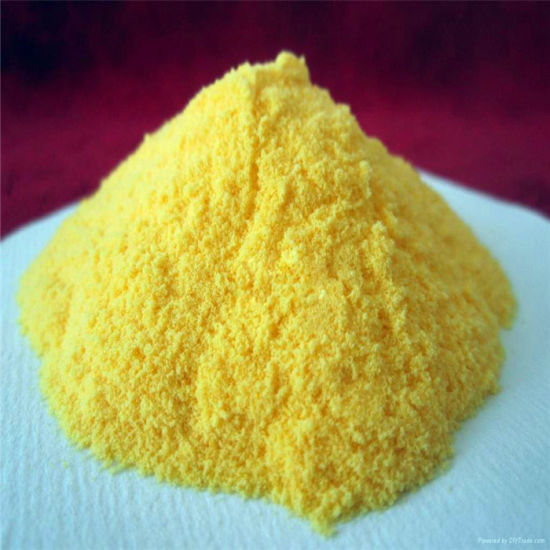
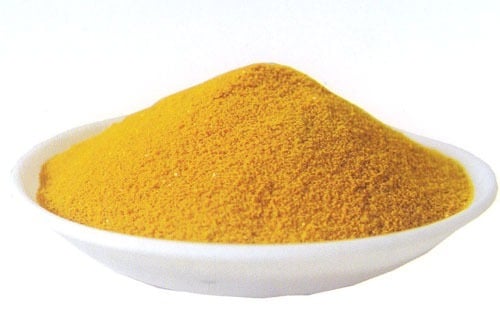
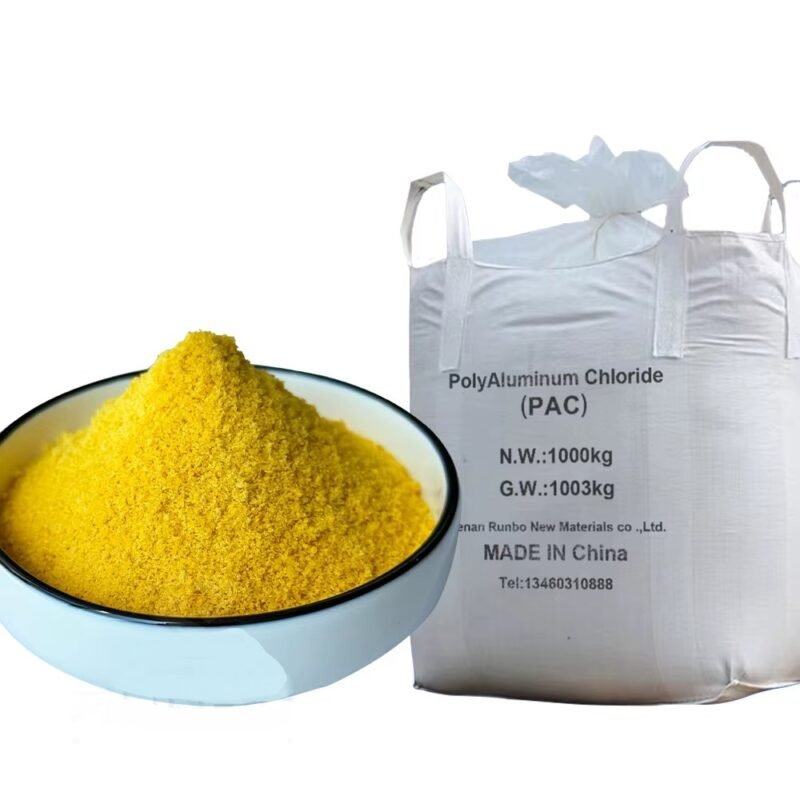
Poly Aluminium Chloride (PAC) is an effective inorganic coagulant used for drinking water, wastewater, and industrial water treatment. It promotes rapid floc formation to help remove turbidity, suspended solids, and colloidal impurities.
Product: Poly Aluminium Chloride (PAC)
Application: Water & Wastewater Treatment
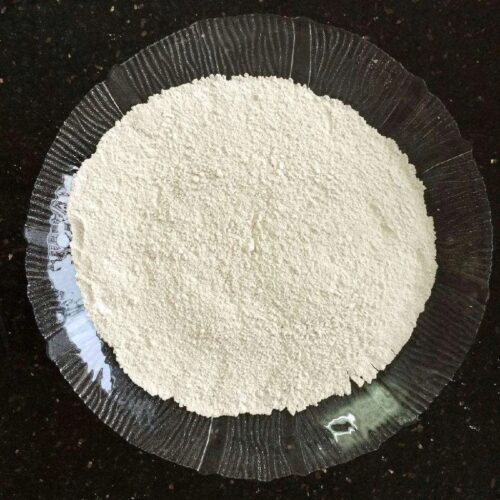
Form: Powder / Liquid, subject to availability
Documentation: COA & SDS/MSDS
MOQ: 2 MT
Application: Water & Wastewater Treatment
Form: Powder / Liquid, subject to availability
Documentation: COA & SDS/MSDS
MOQ: 2 MT
Poly Aluminium Chloride (PAC) for Water Treatment
Poly Aluminium Chloride (PAC) is an inorganic polymer coagulant widely used in drinking water treatment, municipal wastewater treatment, and industrial water purification. It helps treatment systems remove suspended solids, colloidal particles, turbidity, and other impurities by promoting coagulation and floc formation.
BRF SA Chemicals supplies Poly Aluminium Chloride for water treatment to municipal treatment facilities, industrial water processors, mining companies, wastewater treatment operators, and chemical distributors.
Our PAC is available for bulk commercial supply with technical and export documentation.
Minimum Order Quantity (MOQ): 2 MT
What Is Poly Aluminium Chloride in Water Treatment?
Poly Aluminium Chloride, commonly called PAC, is a pre-hydrolyzed aluminium-based coagulant used during the coagulation and clarification stages of water treatment.
Untreated water can contain extremely small suspended and colloidal particles. Many of these particles carry electrical charges that prevent them from joining together and settling naturally.
When PAC is added to water, positively charged aluminium species help destabilize these particles. The destabilized particles then aggregate into larger flocs that treatment systems can remove through sedimentation, flotation, or filtration.
Therefore, the main role of Poly Aluminium Chloride in water treatment is to improve the removal of suspended and colloidal impurities from water.
How Does PAC Work in Water Treatment?
Poly Aluminium Chloride works primarily through coagulation.
The treatment process generally involves several stages.
1. PAC Dosing
A controlled amount of Polyaluminium Chloride is added to the raw water or wastewater.
Rapid mixing helps distribute the coagulant throughout the water.
2. Particle Destabilization
Many fine particles suspended in water carry negative surface charges.
PAC provides positively charged aluminium species that help neutralize or destabilize these charges.
3. Floc Formation
Once destabilized, the fine particles begin to collide and combine.
They gradually form larger aggregates known as flocs.
4. Sedimentation or Flotation
The larger flocs are easier to separate from the treated water through sedimentation or flotation systems.
5. Filtration
Remaining suspended material can subsequently be removed during filtration, depending on the treatment process.
The result is clearer water with substantially reduced suspended and colloidal material.
What Does Poly Aluminium Chloride Remove From Water?
Depending on the raw-water characteristics and treatment process, PAC can assist in reducing or removing:
- Suspended solids
- Turbidity
- Colloidal particles
- Color-causing material
- Certain forms of natural organic matter
- Fine particulate impurities
However, PAC is primarily a coagulant, not a disinfectant.
Its main function is to aggregate impurities so that they can be removed more efficiently. Where microbial disinfection is required, treatment facilities normally use a separate disinfection process.
Why Is Poly Aluminium Chloride Used for Water Treatment?
PAC has become an important water treatment coagulant because of its effective coagulation and clarification characteristics.
Potential operational benefits include:
Effective Turbidity Removal
PAC can destabilize fine suspended particles and improve their removal during clarification.
Rapid Floc Formation
Under suitable treatment conditions, PAC can promote relatively rapid formation of larger, settleable flocs.
Effective Coagulation
The pre-hydrolyzed nature of PAC provides active aluminium species that can perform effectively under a range of treatment conditions.
Reduced Alkalinity Consumption
Compared with conventional aluminium sulfate, PAC may consume less alkalinity under certain treatment conditions.
Sludge Management
PAC can provide favorable sludge characteristics in some treatment systems.
However, actual performance depends on the PAC grade, dosage, raw-water chemistry, pH, temperature, and treatment configuration.
Poly Aluminium Chloride for Drinking Water Treatment
Suitable grades of Poly Aluminium Chloride are widely used in drinking water treatment.
Municipal water treatment plants can use PAC during coagulation and clarification to help remove suspended material before subsequent filtration and disinfection.
Typical applications include:
- Municipal drinking water treatment
- Surface water clarification
- Reservoir water treatment
- Raw-water treatment
- Community water systems
- Potable water treatment plants
Because drinking water is highly regulated, buyers should specify that the product is intended for potable-water treatment when requesting a quotation.
The supplied PAC grade must comply with the applicable regulations and quality requirements of the destination market.
Poly Aluminium Chloride for Wastewater Treatment
PAC is also extensively used in municipal and industrial wastewater treatment.
It can support:
- Suspended solids removal
- Effluent clarification
- Turbidity reduction
- Color reduction
- Sludge treatment
- Solid-liquid separation
- Industrial wastewater processing
The correct PAC specification and dosage depend on the composition of the wastewater and treatment objective.
PAC for Industrial Water Treatment
Industrial facilities require water treatment for production processes, wastewater management, reuse, and environmental compliance.
Poly Aluminium Chloride can be used across industries including:
- Mining and mineral processing
- Food and beverage manufacturing
- Textile processing
- Pulp and paper manufacturing
- Chemical production
- Industrial wastewater treatment
- Manufacturing facilities
- Municipal utilities
Each industry produces different water characteristics. Therefore, PAC selection and dosage should be based on the specific treatment requirements.
Poly Aluminium Chloride in Mining Water Treatment
Mining operations can generate water containing suspended solids and fine mineral particles.
PAC may be used as part of a coagulation and clarification system to improve solid-liquid separation and reduce turbidity.
Applications can include:
- Mine water clarification
- Process-water treatment
- Suspended mineral removal
- Industrial effluent treatment
- Wastewater clarification
Treatment requirements should be established according to the mine-water chemistry and applicable discharge or reuse standards.
PAC in Pulp and Paper Manufacturing
The pulp and paper industry uses substantial quantities of process water.
Poly Aluminium Chloride can support water and wastewater treatment by improving coagulation and the removal of suspended materials.
PAC may also be used in certain papermaking processes depending on the production system and product specification.
PAC for Textile Wastewater Treatment
Textile manufacturing can generate wastewater containing color, suspended material, and process chemicals.
PAC can form part of a broader wastewater treatment program designed to improve clarification and reduce certain particulate and color-causing impurities.
The treatment process may combine PAC with other physical, chemical, or biological treatment technologies.
PAC vs Aluminium Sulfate for Water Treatment
Both Poly Aluminium Chloride and aluminium sulfate (alum) are widely used aluminium-based water treatment coagulants.
However, their characteristics differ.
| Property | Poly Aluminium Chloride | Aluminium Sulfate |
| Common Name | PAC | Alum |
| Primary Function | Coagulation | Coagulation |
| Hydrolysis | Pre-hydrolyzed | Hydrolyzes after addition |
| Floc Formation | Often rapid | Effective |
| Alkalinity Consumption | Can be lower | Generally higher |
| Sludge Production | Can be lower under some conditions | Treatment dependent |
| Water Treatment Use | Municipal & industrial | Municipal & industrial |
Neither chemical is automatically the better choice for every water source.
Raw-water chemistry, pH, temperature, turbidity, treatment infrastructure, and chemical cost should all be considered.
Jar testing can help treatment operators compare the performance of different coagulants and determine an appropriate dosage.
PAC vs Ferric Chloride
Ferric chloride is another widely used water treatment coagulant.
Both products can provide effective clarification, but they differ in chemistry and operating characteristics.
PAC is aluminium-based, while ferric chloride is iron-based. Their effectiveness can vary according to raw-water pH, alkalinity, organic matter, temperature, and treatment objectives.
Water treatment operators should therefore select the coagulant according to actual treatment performance rather than assuming that one chemical will perform better under every condition.
Typical Poly Aluminium Chloride Specifications
Specifications vary according to PAC grade and manufacturer.
| Parameter | Typical Description |
| Product | Poly Aluminium Chloride |
| Abbreviation | PAC |
| Chemical Type | Inorganic Polymer Coagulant |
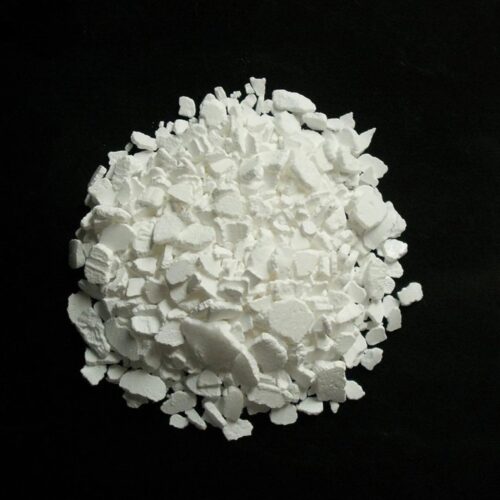
| Appearance | Powder or Liquid |
| Powder Color | White / Yellow, depending on grade |
| Application | Water & Wastewater Treatment |
| Al₂O₃ Content | Grade dependent |
| Basicity | Grade dependent |
| pH | Grade dependent |
| Solubility | Water soluble |
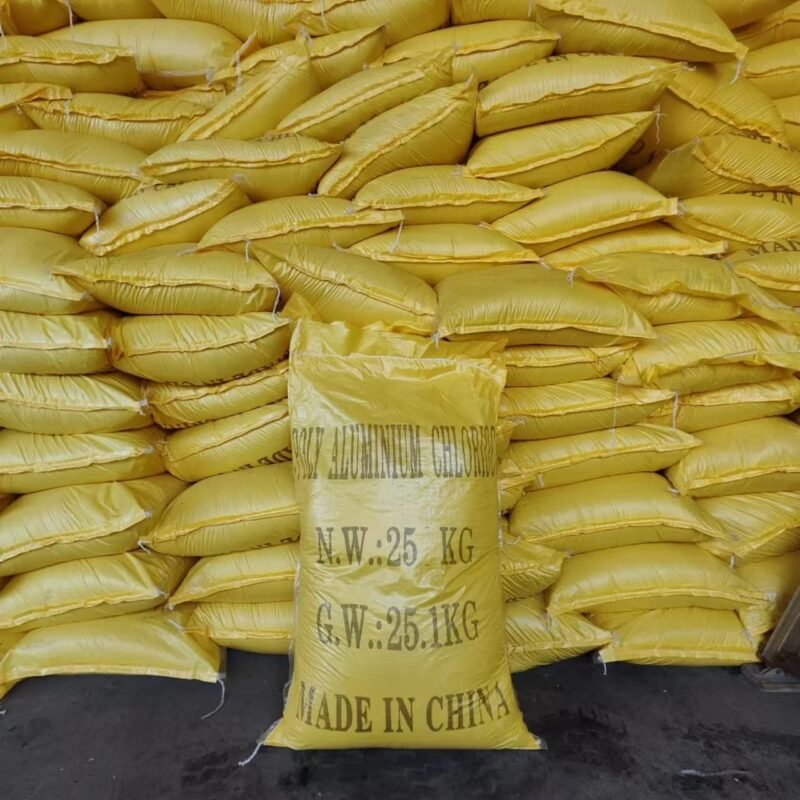
| Packaging | Industrial bags / drums / IBC, as applicable |
Important: The Certificate of Analysis for the supplied batch should always be used as the final technical specification.
Choosing the Right PAC Grade
Not all Poly Aluminium Chloride products have identical specifications.
Buyers should consider:
- Intended application
- Drinking water or wastewater use
- Al₂O₃ concentration
- Basicity
- Insoluble matter
- Product form
- Heavy-metal limits where applicable
- Raw-water characteristics
- Regulatory requirements
For potable-water applications, buyers should clearly specify their regulatory and technical requirements before ordering.
How Much PAC Should Be Used in Water Treatment?
There is no universal PAC dosage suitable for every water source.
The correct dosage depends on factors including:
- Raw-water turbidity
- pH
- Alkalinity
- Temperature
- Organic matter
- PAC concentration
- Treatment objectives
- Mixing conditions
- Other treatment chemicals
Treatment operators commonly perform jar tests to establish an appropriate dosage before full-scale application.
This approach helps optimize clarification while avoiding unnecessary chemical consumption.
Storage and Handling
Store Poly Aluminium Chloride according to the product form and instructions provided in the applicable Safety Data Sheet.
General precautions include:
- Store in a cool, dry location
- Protect powder from moisture.
- Keep containers properly closed.
- Prevent contamination
- Use appropriate personal protective equipment.
- Follow the SDS during handling.
- Keep incompatible materials separated where specified.
Industrial users should train personnel in appropriate chemical handling procedures.
Bulk Poly Aluminium Chloride Supplier
BRF SA Chemicals supplies bulk Poly Aluminium Chloride for commercial water treatment applications.
We serve:
- Municipal water utilities
- Water treatment companies
- Wastewater treatment operators
- Mining companies
- Industrial manufacturers
- Engineering contractors
- Chemical distributors
- Water treatment chemical distributors
Minimum Order Quantity: 2 MT
Packaging Options
Depending on the grade and product form, packaging may include:
- 25 kg bags
- Industrial bulk bags
- Drums
- IBC containers for applicable liquid grades
- Palletized shipments
- Container-load quantities
Packaging availability should be confirmed when requesting a quotation.
Export Supply
BRF SA Chemicals supplies water treatment chemicals to international commercial buyers, with particular focus on:
- Middle East
- South America
- Central America
- Africa
- Other international markets
Export orders can be supported with relevant documentation according to the product, origin, and destination requirements.
Available documentation may include:
- Certificate of Analysis (COA)
- Safety Data Sheet (SDS/MSDS)
- Technical Data Sheet
- Commercial Invoice
- Packing List
- Certificate of Origin where applicable
- Export and shipping documentation
Buy Poly Aluminium Chloride in Bulk
Looking for a reliable Poly Aluminium Chloride supplier for water treatment?
BRF SA Chemicals supplies PAC for municipal drinking water, industrial water, wastewater treatment, and commercial processing applications.
MOQ: 2 MT
Contact us for:
- Bulk pricing
- Product specifications
- PAC grade availability
- COA
- SDS/MSDS
- Packaging information
- Export documentation
- Shipping enquiries
For faster quotations, provide your required quantity, application, PAC specification, packaging, destination country, and destination port.
Request a Quote for Poly Aluminium Chloride
BRF SA Chemicals supplies Poly Aluminium Chloride in bulk for water treatment in municipal, industrial, and wastewater applications.
Whether you require PAC for drinking water clarification, industrial wastewater treatment, mining water treatment, or commercial distribution, contact us with your required specifications.
MOQ: 2 MT
Request a quotation today for pricing, product specifications, packaging, COA, SDS/MSDS, and international shipping information.

Reviews
There are no reviews yet.