
Call Us: +27 63 169 8798


What Happens When Calcium Hypochlorite is Dissolved in Water?
When calcium hypochlorite is dissolved in water, it releases chlorine compounds that disinfect water by killing bacteria, viruses, algae, and other harmful microorganisms. This chemical reaction makes calcium hypochlorite one of the most widely used disinfectants in swimming pools, drinking water treatment, and industrial sanitation systems.
Because of its strong oxidizing properties, calcium hypochlorite is highly effective for water purification applications.
What is Calcium Hypochlorite?
Calcium hypochlorite is a chlorine-based inorganic compound commonly used as a disinfectant and water treatment chemical.
Its chemical formula is:
Ca(ClO)2Ca(ClO)_2Ca(ClO)2
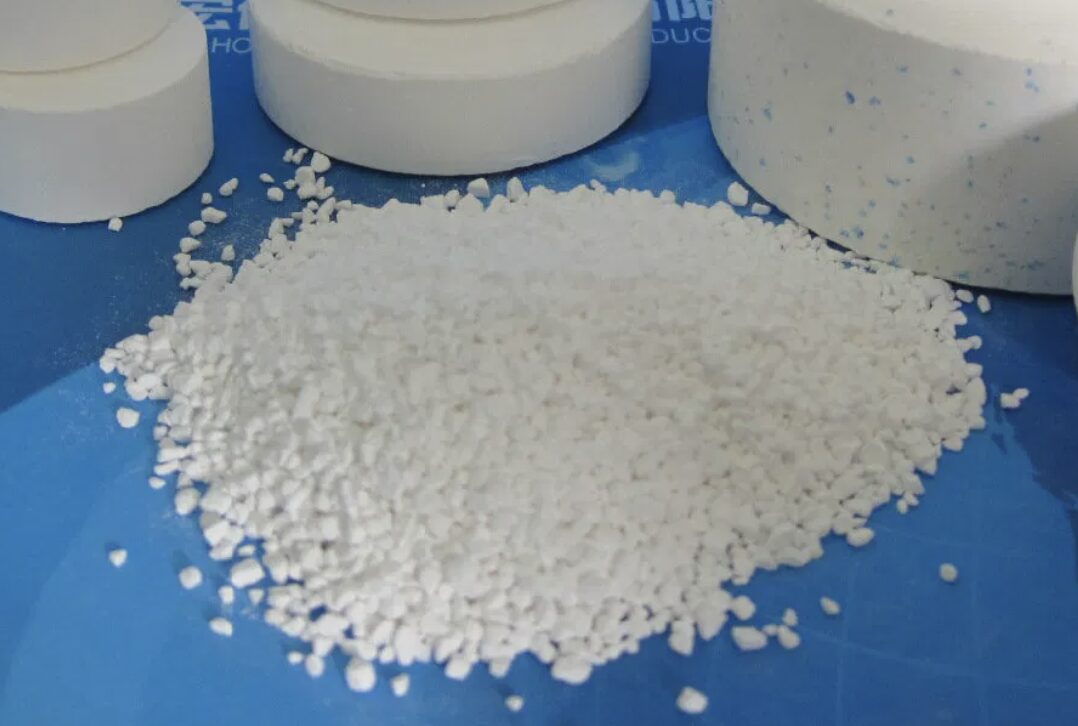
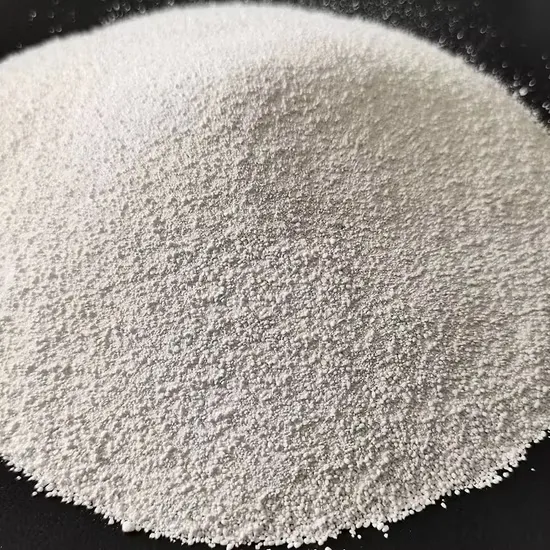
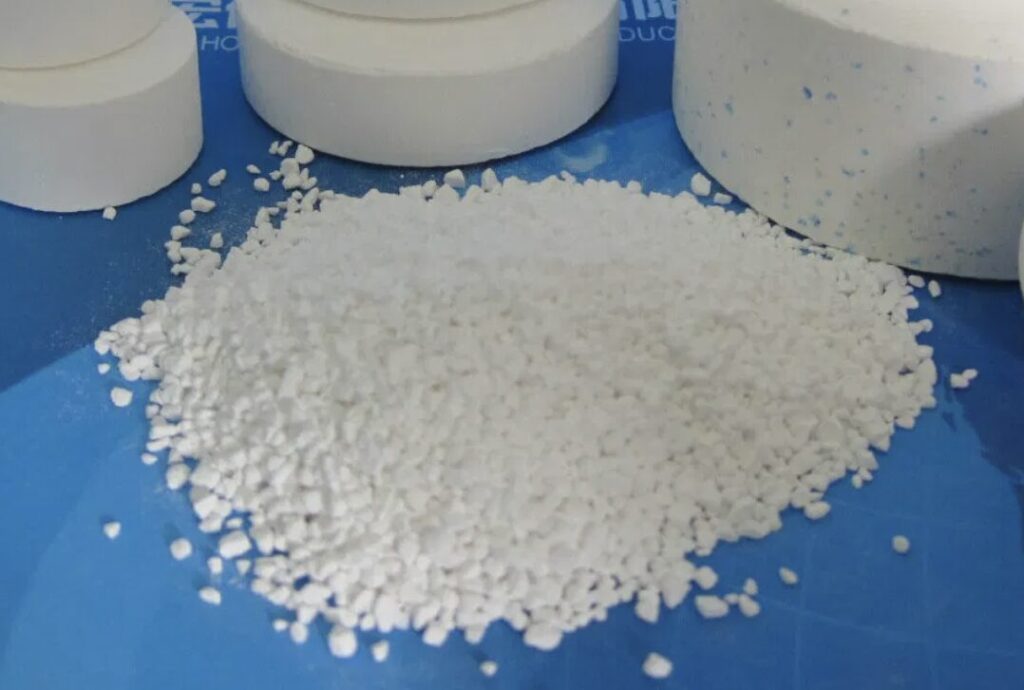
It usually appears as white granules or powder with a strong chlorine odor.
What Happens When Calcium Hypochlorite is Dissolved in Water?
When calcium hypochlorite dissolves in water, it reacts to form hypochlorous acid and calcium hydroxide.
Looking for industrial-grade calcium hypochlorite for water treatment and disinfection?
Visit our Calcium Hypochlorite Supplier page for product specifications, packaging options, and bulk supply information.
The simplified chemical reaction is:
Ca(ClO)2+2H2O→2HOCl+Ca(OH)2Ca(ClO)_2 + 2H_2O \rightarrow 2HOCl + Ca(OH)_2Ca(ClO)2+2H2O→2HOCl+Ca(OH)2
This reaction releases:
- Hypochlorous acid (HOCl)
- Chlorine disinfecting compounds
These compounds help destroy harmful microorganisms in water.
Why Hypochlorous Acid is Important
Hypochlorous acid is the main active disinfecting agent produced when calcium hypochlorite dissolves in water.
It helps:
- Kill bacteria
- Destroy viruses
- Eliminate algae
- Improve water sanitation
Because of this, calcium hypochlorite is widely used in water disinfection systems worldwide.
Calcium Hypochlorite in Water Treatment
Calcium hypochlorite is commonly used in:
- Drinking water treatment
- Wastewater treatment
- Industrial water systems
- Emergency water disinfection
It helps improve water safety by effectively reducing microbial contamination.
Calcium Hypochlorite in Swimming Pools
Swimming pools use calcium hypochlorite to maintain clean, safe water.
Benefits of pool treatment include:
- Fast chlorine release
- Effective algae control
- Improved water clarity
- Strong sanitizing performance
Pool operators widely use calcium hypochlorite because it provides reliable disinfection of water.
Advantages of Calcium Hypochlorite
Calcium hypochlorite offers several important advantages.
Key benefits include:
- Highly available chlorine content
- Strong disinfecting power
- Easy storage and transport
- Long shelf life
- Suitable for large-scale water treatment
Safety Precautions
Calcium hypochlorite should be handled with care because it is a strong oxidizing agent.
Always:
- Use protective gloves and goggles.
- Avoid direct contact with moisture before use.
- Store in a cool, dry, ventilated area
- Keep away from combustible materials.
Proper storage improves product stability and safety.
Technical Specifications
| Chemical Name | Calcium Hypochlorite |
| Formula | Ca(ClO)₂ |
| Appearance | White granules or powder |
| Available Chlorine | 65% – 70% |
| Solubility | Soluble in water |
| Function | Disinfectant / Oxidizer |
Related Applications
Calcium hypochlorite is widely used in:
- Drinking water purification
- Swimming pool sanitation
- Industrial cleaning systems
- Wastewater treatment plants
Where to Buy Calcium Hypochlorite
If you are looking for a bulk supply, explore our:
Conclusion
When calcium hypochlorite is dissolved in water, it releases disinfecting chlorine compounds that help eliminate harmful microorganisms. This process makes calcium hypochlorite an essential chemical in water treatment, pool sanitation, and industrial disinfection systems.
Frequently Asked Questions
What happens when calcium hypochlorite dissolves in water?
It releases hypochlorous acid and chlorine compounds that disinfect water and kill microorganisms.
Is calcium hypochlorite used in pools?
Yes, calcium hypochlorite is widely used for swimming pool disinfection and algae control.
What is the formula of calcium hypochlorite?
Ca(ClO)2Ca(ClO)_2Ca(ClO)2
The chemical formula of calcium hypochlorite is Ca(ClO)₂.