Call Us: +27 63 169 8798

What Is Vermiculite Used for in Animal Feed?
What Is Vermiculite?
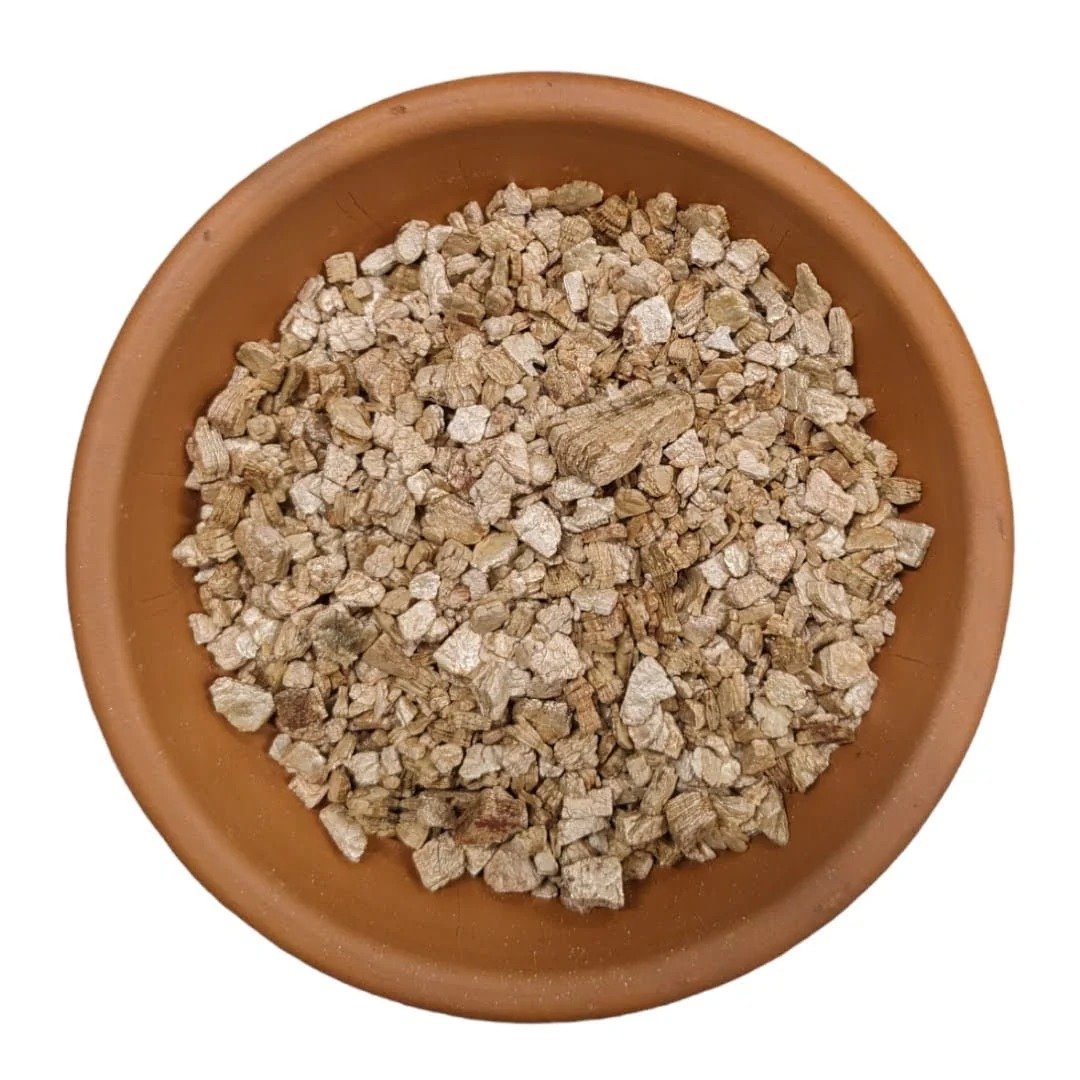
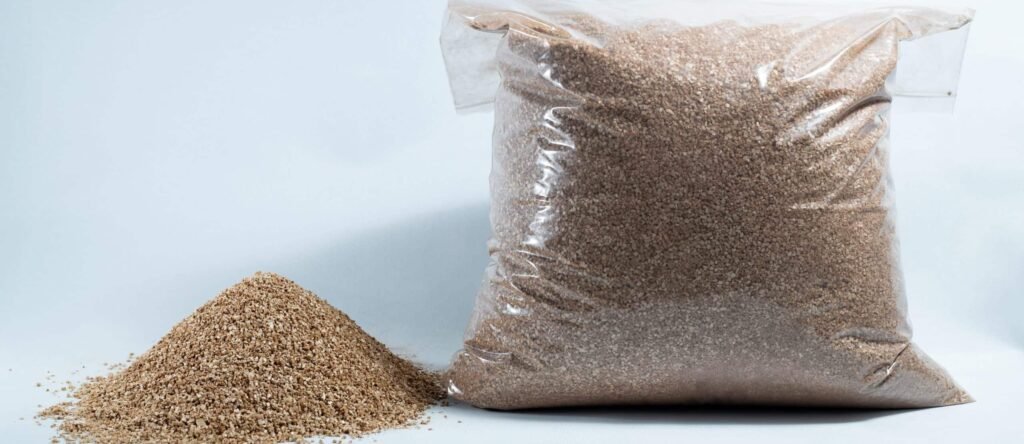
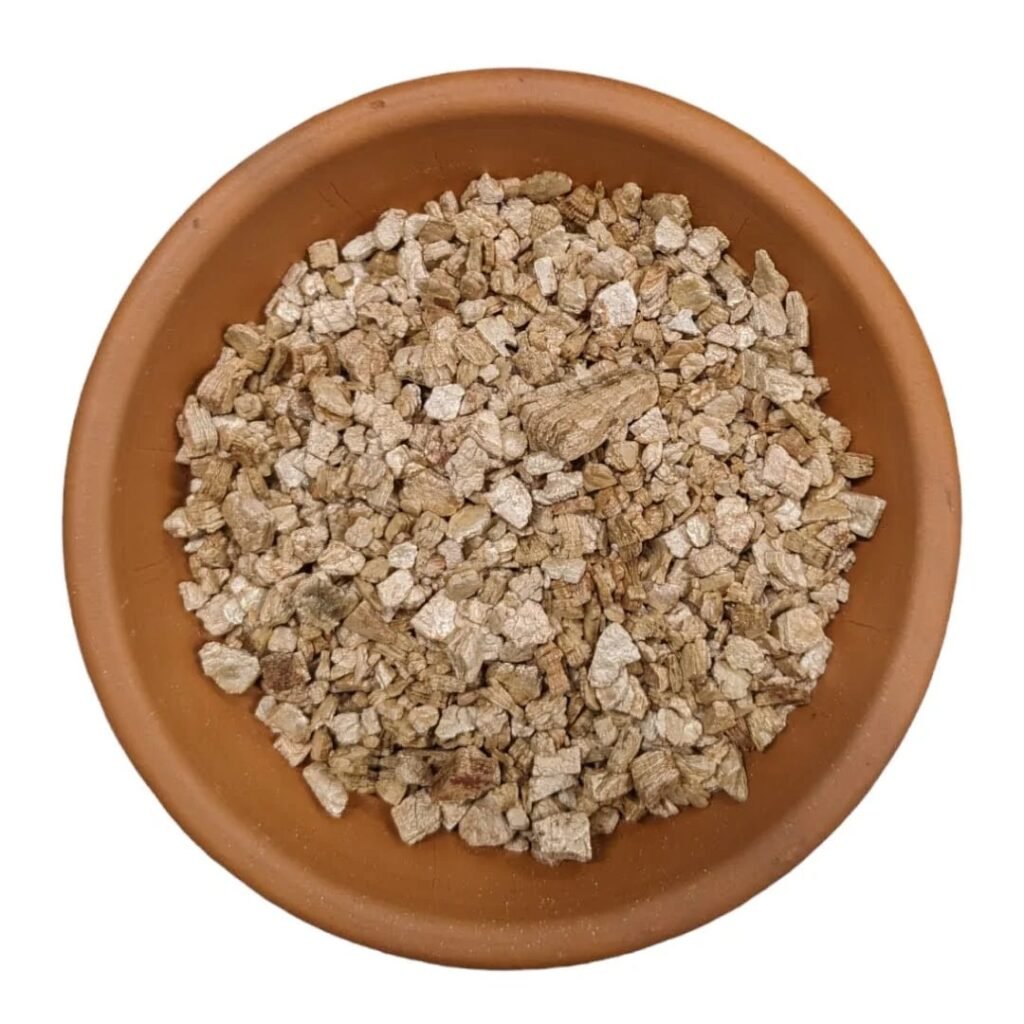
Vermiculite is a naturally occurring hydrated silicate mineral. When manufacturers heat suitable raw vermiculite rapidly, the mineral expands into lightweight particles through a process known as exfoliation.
This expanded structure contains many microscopic spaces. As a result, exfoliated vermiculite can absorb liquids and hold them within its porous structure.
Vermiculite has applications in several industries, including agriculture, horticulture, construction, and industrial processing. However, selected grades also have useful applications in animal feed manufacturing.
What Is Vermiculite?
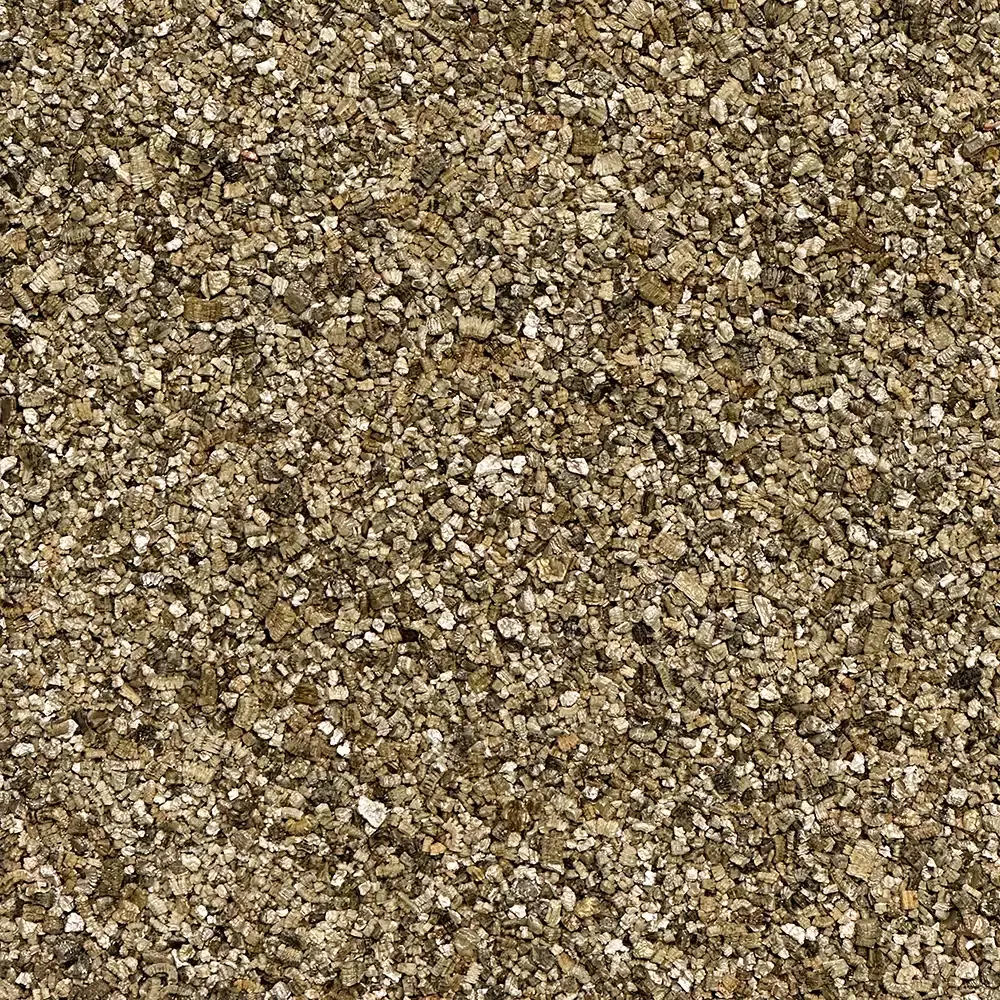
Vermiculite is a naturally occurring hydrated silicate mineral. When manufacturers heat suitable raw vermiculite rapidly, the mineral expands into lightweight particles through a process known as exfoliation.
This expanded structure contains many microscopic spaces. As a result, exfoliated vermiculite can absorb liquids and hold them within its porous structure.
Vermiculite has applications in several industries, including agriculture, horticulture, construction, and industrial processing. However, selected grades also have useful applications in animal feed manufacturing.
Why Is Vermiculite Used in Animal Feed?
The main value of vermiculite in animal feed production comes from its physical properties rather than from treating it as a conventional nutritional ingredient.
Feed manufacturers may use suitable vermiculite because it offers:
- High absorption capacity
- Good liquid carrying properties
- Lightweight structure
- Free-flowing characteristics
- Easy handling
- Good distribution within suitable dry mixtures
These properties make vermiculite particularly useful when a manufacturer needs to incorporate liquid or concentrated ingredients into a dry formulation.
Vermiculite as an Animal Feed Carrier
One of the most important animal feed applications of vermiculite is its use as a carrier.
A feed carrier helps distribute small quantities of ingredients throughout a larger feed mixture.
Exfoliated vermiculite can absorb selected liquids while maintaining a relatively dry and manageable form. Therefore, manufacturers can use it to simplify the incorporation of certain liquid ingredients into feed and premix formulations.
Depending on the formulation and applicable regulations, suitable vermiculite may carry:
- Feed grade fats
- Vegetable oils
- Vitamin preparations
- Molasses
- Amino acids
- Choline chloride
- Organic acids
- Other compatible feed ingredients
The required carrier ratio depends on the vermiculite grade, particle size, liquid characteristics, and final formulation.
Vermiculite for Fats and Vegetable Oils
Fats and oils provide important functions in many animal feed formulations. However, incorporating liquids uniformly into dry mixtures can create processing challenges.
A suitable absorbent carrier can make these ingredients easier to handle.
Vermiculite absorbs liquid into its porous structure. Consequently, manufacturers can produce a more manageable mixture for further blending with other feed ingredients.
This property can be particularly useful in premix and specialty feed manufacturing.
Vermiculite for Vitamin Preparations
Feed manufacturers often need to distribute relatively small amounts of concentrated ingredients throughout large batches of feed.
Uniform distribution is important because poor mixing can result in inconsistent formulations.
Vermiculite can act as a physical carrier for suitable vitamin preparations. The carrier increases the volume of material being mixed, which may make subsequent handling and distribution easier.
However, manufacturers should always confirm compatibility between the carrier and the specific vitamin formulation.
Vermiculite for Molasses-Based Feed
Molasses is commonly incorporated into certain livestock feeds. However, its sticky consistency can make processing and handling more difficult.
Absorbent carrier materials can help manage this challenge.
Vermiculite can absorb molasses and help transform the liquid into a more manageable mixture. As a result, manufacturers may find it easier to incorporate molasses into selected dry feed formulations.
Vermiculite and Free-Flowing Feed Formulations
Powders and premixes can develop handling problems when moisture or liquid ingredients cause particles to stick together.
Suitable vermiculite can absorb some of these liquids and help maintain desirable physical characteristics.
Depending on the formulation, this may help:
- Reduce clumping
- Improve material flow
- Simplify handling
- Improve mixing
- Support consistent processing
For this reason, vermiculite may perform a useful processing role in certain feed formulations.
Is Vermiculite an Anti-Caking Agent?
Vermiculite can provide anti-caking or free-flowing functionality in some feed applications because of its absorption properties.
However, manufacturers should distinguish between a material having useful anti-caking characteristics and being legally authorized or classified as an anti-caking feed additive in a particular market.
Feed regulations vary between countries. Therefore, manufacturers should confirm the permitted application, specification, and inclusion conditions before using vermiculite in commercial animal feed.
Feed Grade vs General Industrial Vermiculite
Not every vermiculite product should automatically be considered suitable for animal feed.
Feed manufacturers should use material supplied with specifications appropriate to the intended feed application.
Important parameters may include:
- Particle size
- Moisture
- Bulk density
- Mineral composition
- Contaminant limits
- Product purity
- Relevant feed compliance documentation
Buyers should request a Certificate of Analysis and technical documentation before approving a material for feed production.
Quality and Contaminant Testing
Quality control is particularly important because vermiculite is a naturally mined mineral.
Commercial buyers should evaluate documentation covering relevant contaminants and product characteristics. Requirements may differ according to the country, animal species, and intended feed application.
Useful documentation can include:
- Certificate of Analysis (COA)
- Safety Data Sheet (SDS)
- Technical Data Sheet
- Particle size specification
- Mineral analysis
- Contaminant testing
Manufacturers should also confirm that the supplied material complies with applicable feed regulations in their destination market.
Benefits of Vermiculite in Feed Manufacturing
When an appropriate grade is used for a suitable application, vermiculite can provide several processing benefits.
These include:
- High liquid absorption
- Effective carrying of selected liquid ingredients
- Improved handling
- Free-flowing physical properties
- Lightweight structure
- Easy incorporation into suitable mixtures
- Compatibility with different feed processing applications
The exact performance depends on the grade of vermiculite and the feed formulation.
Who Uses Feed Grade Vermiculite?
Potential commercial users include:
- Animal feed manufacturers
- Premix manufacturers
- Feed additive companies
- Livestock nutrition companies
- Agricultural distributors
- Feed ingredient distributors
For commercial production, buyers should select the grade according to their technical requirements and applicable feed regulations.
Buying Vermiculite for Animal Feed
When sourcing feed-grade vermiculite, buyers should consider more than price.
Before placing a bulk order, check:
- Intended feed application
- Particle size
- Absorption characteristics
- Bulk density
- Packaging
- COA availability
- SDS availability
- Contaminant testing
- Regulatory suitability
- Minimum order quantity
These checks help manufacturers select a material that matches their production requirements.
For specifications, packaging, and commercial supply information, visit our Vermiculite for Animal Feed product page.
Bulk supply is available for feed manufacturers, premix producers, and distributors, with a minimum order quantity of 200Kg
Frequently Asked Questions
What is vermiculite used for in animal feed?
Suitable feed-grade vermiculite can be used as an absorbent carrier for ingredients such as fats, vegetable oils, vitamin preparations, molasses, and other compatible feed ingredients. Its physical properties can also support handling and free-flowing characteristics.
Why is vermiculite a good feed carrier?
Exfoliated vermiculite has a porous structure that can absorb liquids while remaining relatively easy to handle. This makes it useful for converting selected liquid ingredients into more manageable mixtures for feed production.
Can vermiculite absorb vegetable oil?
Yes. Suitable exfoliated vermiculite can absorb vegetable oils and other compatible liquids. Actual absorption capacity depends on the vermiculite grade and the properties of the liquid.
Can vermiculite be used with molasses?
Vermiculite can act as a carrier for molasses in suitable feed applications. Its absorbent structure can help make sticky liquid ingredients easier to incorporate into dry mixtures.
Is all vermiculite suitable for animal feed?
No. Buyers should not assume that general construction, horticultural or industrial vermiculite is suitable for animal feed. Feed manufacturers should obtain the appropriate product specification, COA, and relevant compliance information from their supplier.
Where can I buy vermiculite for animal feed?
Feed manufacturers and distributors can purchase feed-grade vermiculite from specialist mineral and feed ingredient suppliers. Before ordering, confirm the product specification, documentation, packaging, and regulatory suitability for your intended market.
Conclusion
So, what is vermiculite used for in animal feed? Its primary value comes from its ability to act as an absorbent carrier and processing aid for selected feed ingredients.
Its porous structure can help manufacturers handle fats, vegetable oils, vitamin preparations, molasses, and other compatible ingredients more efficiently. It can also support desirable free-flowing characteristics in certain feed formulations.
However, feed manufacturers should use an appropriate grade and verify its technical specifications, contaminant controls, and regulatory suitability before commercial use.
For bulk purchasing, technical specifications, and packaging information, visit our Vermiculite for Animal Feed product page.