
Call Us: +27 63 169 8798


What Is Urea 46 Fertilizer? Uses, Benefits & Application
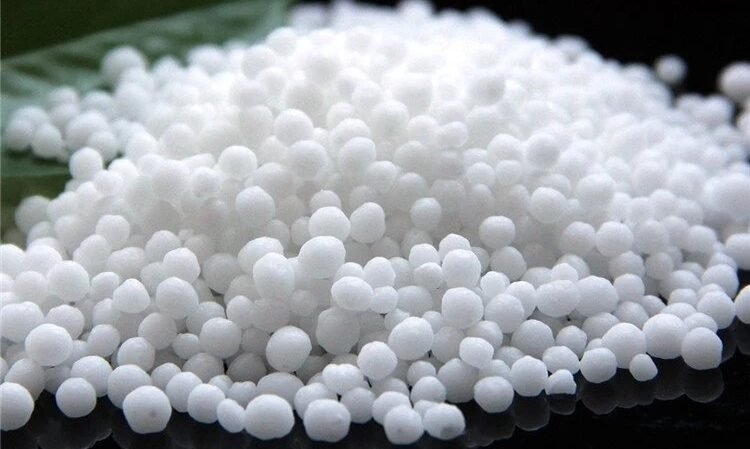
Urea 46 fertilizer is one of the most widely used nitrogen fertilizers in commercial agriculture. It contains approximately 46% nitrogen, making it one of the most concentrated solid nitrogen fertilizers available to farmers and fertilizer manufacturers.
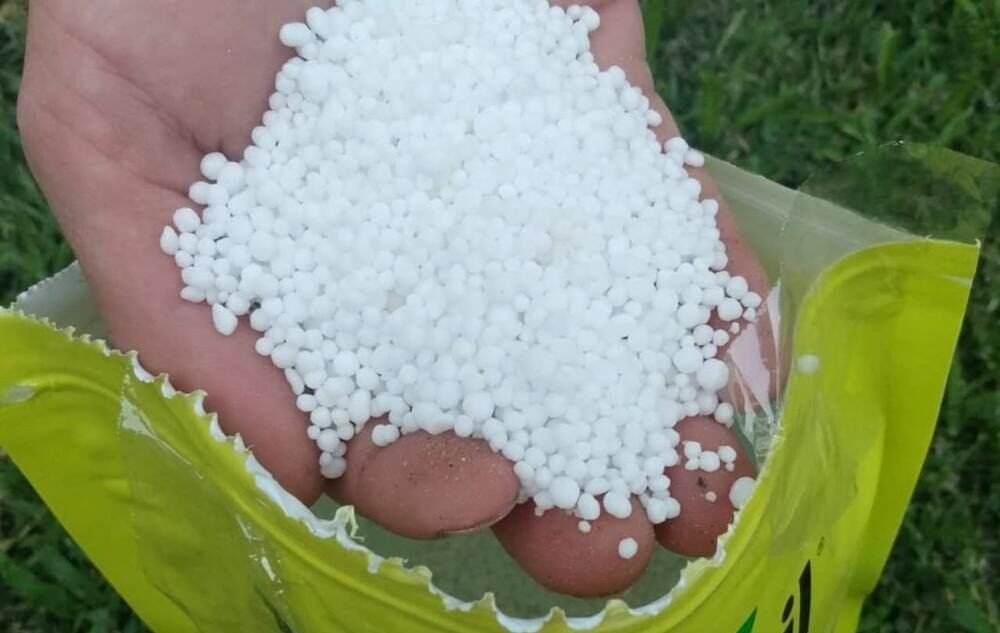
Also known as Urea 46-0-0, it is commonly supplied as white granules or prills and used on crops such as maize, wheat, rice, sugarcane, vegetables, and pasture.
Its nitrogen concentration, ease of transportation and suitability for fertilizer blending make Urea 46 an important fertilizer for modern agricultural production.
But what exactly is Urea 46 fertilizer, how does it work, and when should farmers use it?
This guide explains the properties, uses, and benefits of Urea 46 fertilizer.
What Is Urea 46 Fertilizer?
Urea 46 is a nitrogen fertilizer containing approximately 46% nitrogen by weight.
Its chemical formula is CO(NH₂)₂.
In fertilizer terminology, it is commonly identified as 46-0-0.
The three numbers represent the fertilizer’s nitrogen, phosphate, and potash analysis:
- 46 – nitrogen
- 0 – phosphate
- 0 – potash
Therefore, Urea 46-0-0 is primarily used when crops require additional nitrogen rather than phosphorus or potassium.
Because almost half of its weight consists of nitrogen, relatively small quantities of urea can deliver substantial amounts of nitrogen compared with fertilizers with lower nitrogen concentrations.
Why Do Plants Need Nitrogen?
Nitrogen is one of the three primary macronutrients required for crop development, alongside phosphorus and potassium.
Plants use nitrogen for several important biological processes.
Adequate nitrogen supports:
- Leaf development
- Vegetative growth
- Chlorophyll formation
- Photosynthesis
- Protein synthesis
- Enzyme activity
- Crop establishment
- Yield development
Nitrogen deficiency can cause pale or yellow leaves, reduced vegetative growth and lower yield potential.
However, excessive nitrogen can also cause problems. Farmers should therefore base fertilizer programs on soil conditions, crop requirements and realistic yield targets.
How Does Urea 46 Fertilizer Work?
Plants do not generally take up most freshly applied urea directly.
After Urea 46 reaches the soil, the enzyme urease begins hydrolyzing it. This process converts urea into ammonium-containing forms.
The nitrogen then becomes part of the soil nitrogen cycle. Depending on soil conditions, microorganisms can subsequently convert ammonium into nitrate.
Plants can obtain nitrogen primarily as ammonium and nitrate.
This conversion process is one reason application management is important.
When urea remains on the soil surface under conditions favorable to ammonia volatilization, some nitrogen can be lost to the atmosphere. Incorporation and appropriately timed rainfall or irrigation can reduce this risk in many agricultural situations.
What Is Urea 46 Fertilizer Used For?
Urea 46 fertilizer has two major commercial applications:
- Direct agricultural fertilization
- Fertilizer manufacturing and blending
In agriculture, farmers use it to provide nitrogen to crops.
Meanwhile, fertilizer manufacturers can use urea as a concentrated nitrogen raw material when producing compound and blended fertilizers.
Crops Commonly Fertilized With Urea 46
Urea can be incorporated into professionally designed fertilizer programs for many crops.
Maize
Maize has substantial nitrogen requirements, particularly during periods of rapid vegetative development.
Urea can provide part or all of the required supplemental nitrogen depending on soil fertility and the overall fertilizer program.
Wheat
Nitrogen plays an important role in wheat growth, yield formation and grain protein.
Urea is therefore commonly incorporated into wheat fertilization programs.
Rice
Urea is widely used as a nitrogen source in rice production.
However, nitrogen management in flooded rice systems requires careful timing and placement to minimize losses and improve fertilizer-use efficiency.
Sugarcane
Sugarcane requires significant nutrients throughout its growth cycle.
Urea can supply nitrogen during appropriate stages of commercial sugarcane production.
Vegetables
Commercial vegetable producers may use Urea 46 where additional nitrogen is required.
Application rates vary considerably according to the vegetable crop, soil conditions, and existing nutrient availability.
Pasture and Forage Crops
Nitrogen can stimulate vegetative growth in grasses and forage crops where other growing conditions are suitable.
Therefore, urea is frequently considered in commercial pasture fertilization programs.
Granular Urea 46 vs Prilled Urea 46
Urea fertilizer is commonly available in two physical forms:
- Granular urea
- Prilled urea
Both generally contain approximately 46% nitrogen. The main differences involve particle characteristics rather than nitrogen concentration.
What Is Granular Urea?
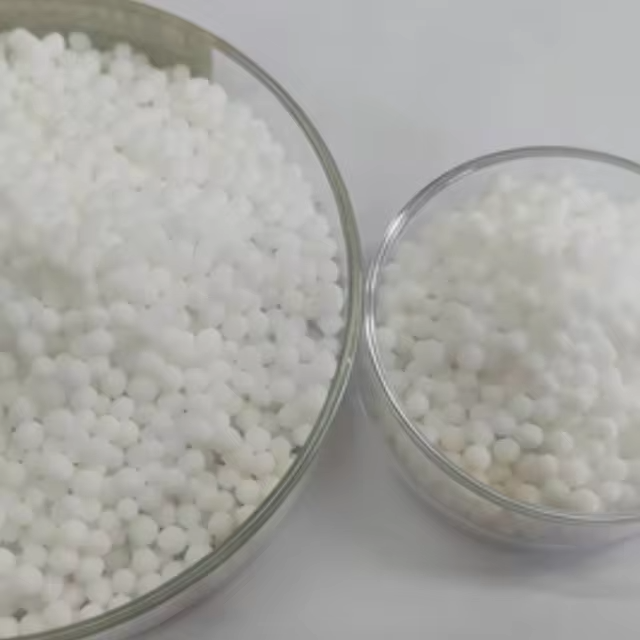
Granular Urea 46 consists of comparatively larger and stronger particles.
Its characteristics make it particularly suitable for:
- Mechanical fertilizer spreading
- Commercial farming
- Bulk handling
- Fertilizer blending
- Large-scale agricultural distribution
Particle uniformity can also support more consistent spreading when appropriate equipment is used.
What Is Prilled Urea?
Prilled Urea 46 consists of smaller, near-spherical particles created during the manufacturing process.
It is commonly used for:
- Direct soil fertilization
- Fertilizer formulations
- Commercial agriculture
- Agricultural distribution
The best choice between granular and prilled urea depends on application equipment, handling requirements, fertilizer formulation, and availability.
Benefits of Urea 46 Fertilizer
Several characteristics explain why Urea 46 has become an important agricultural fertilizer.
1. High Nitrogen Content
Urea contains approximately 46% nitrogen, giving it one of the highest nitrogen concentrations among commonly traded solid nitrogen fertilizers.
2. Suitable for Many Crops
Farmers can incorporate urea into nutrient programs for cereals, sugar crops, vegetables, pasture, and numerous other crops.
3. Efficient Transportation
The high nutrient concentration means less material needs to be transported per unit of nitrogen compared with many lower-analysis nitrogen fertilizers.
This can provide logistical advantages in large agricultural supply chains.
4. Suitable for Fertilizer Blending
Fertilizer manufacturers can use urea as a nitrogen component in suitable blended and compound fertilizer formulations.
5. Widely Available
Urea is an internationally traded fertilizer, making it an important nitrogen source for agricultural markets around the world.
How to Apply Urea 46 Fertilizer
There is no single application method that is correct for every crop and location.
Common methods include:
Broadcasting
Farmers can spread granular or prilled urea across the soil surface using appropriate fertilizer-spreading equipment.
Soil Incorporation
Incorporating urea into the soil can help reduce ammonia volatilization losses under conditions where those losses would otherwise be significant.
Application Before Rainfall
Appropriately timed rainfall can move dissolved urea into the soil.
However, farmers should avoid relying on uncertain weather forecasts when fertilizer losses or runoff could become a concern.
Irrigated Application Systems
In appropriate agricultural systems, irrigation can help move applied nitrogen into the root zone.
The exact approach should follow crop-specific and regional agronomic recommendations.
How Much Urea 46 Should You Apply?
Farmers should not use a universal Urea 46 application rate.
The correct amount depends on:
- Crop
- Soil test results
- Previous crop
- Existing soil nitrogen
- Target yield
- Climate
- Irrigation
- Soil organic matter
- Application timing
- Expected nitrogen losses
For example, two maize farms growing the same variety may require substantially different amounts of nitrogen because their soils, climates, and management systems differ.
Soil testing and professional agronomic recommendations provide a better basis for calculating fertilizer requirements.
How Much Nitrogen Does Urea 46 Provide?
Because Urea 46 contains approximately 46% nitrogen:
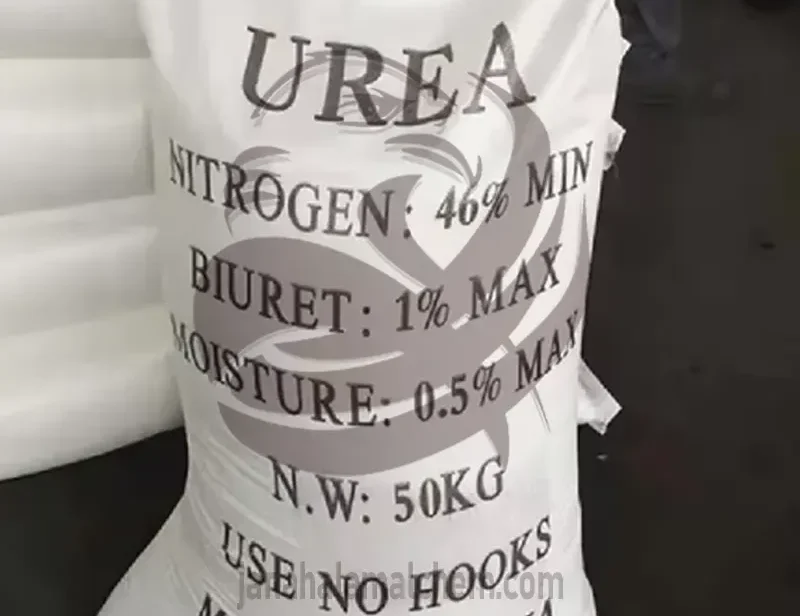
100 kg of Urea 46 provides approximately 46 kg of nitrogen.
Likewise:
- 50 kg of Urea ≈ 23 kg of nitrogen
- 25 kg Urea ≈ 11.5 kg nitrogen
- 1,000 kg Urea ≈ 460 kg nitrogen
These figures describe nutrient content, not recommended application rates.
The appropriate amount applied per hectare still depends on the crop and agronomic conditions.
Can Urea 46 Burn Crops?
Improper fertilizer application can damage plants.
High concentrations of fertilizer placed too close to seeds, roots or sensitive plant tissues may cause injury.
Furthermore, ammonia associated with urea transformation can create problems when unsuitable application practices are used.
Farmers should therefore follow appropriate placement and application recommendations for the crop being grown.
Does Urea 46 Change Soil pH?
The relationship between urea and soil pH is more complex than simply describing urea as acidic or alkaline.
During the initial hydrolysis of urea, localized pH can temporarily increase.
However, subsequent nitrification of ammonium produces acidity. Repeated nitrogen fertilization can therefore contribute to soil acidification over time, depending on soil properties, crop uptake, and nutrient management.
Farmers should monitor soil pH through regular soil testing and apply lime or other amendments where agronomically justified.
Urea 46 for Fertilizer Manufacturing
Urea is not purchased only by farmers.
It is also an important raw material for the fertilizer industry.
Commercial buyers can include:
- NPK fertilizer manufacturers
- Fertilizer blending companies
- Agricultural cooperatives
- Fertilizer wholesalers
- Agricultural distributors
- Large commercial farms
- Commodity importers
Its 46% nitrogen concentration allows manufacturers to incorporate substantial nitrogen into fertilizer formulations.
How to Store Urea Fertilizer
Correct storage helps maintain product quality.
Urea should be stored in a:
- Cool location
- Dry warehouse
- Well-ventilated environment
- Clean storage area
Protect the fertilizer from rain and excessive moisture.
Bags should remain properly sealed until required, while bulk storage facilities should be designed to minimize moisture exposure and contamination.
What Should Buyers Check When Purchasing Urea 46?
Commercial buyers should evaluate more than price.
Important considerations include:
- Nitrogen content
- Granular or prilled form
- Biuret specification
- Moisture
- Particle size
- Packaging
- Product origin
- Certificate of Analysis
- Safety Data Sheet
- Minimum order quantity
- Shipping terms
- Destination requirements
For international transactions, buyers should also clarify the required Incoterm, destination port, shipment quantity, and documentation before finalizing an order.
Buying Urea 46 Fertilizer in Bulk
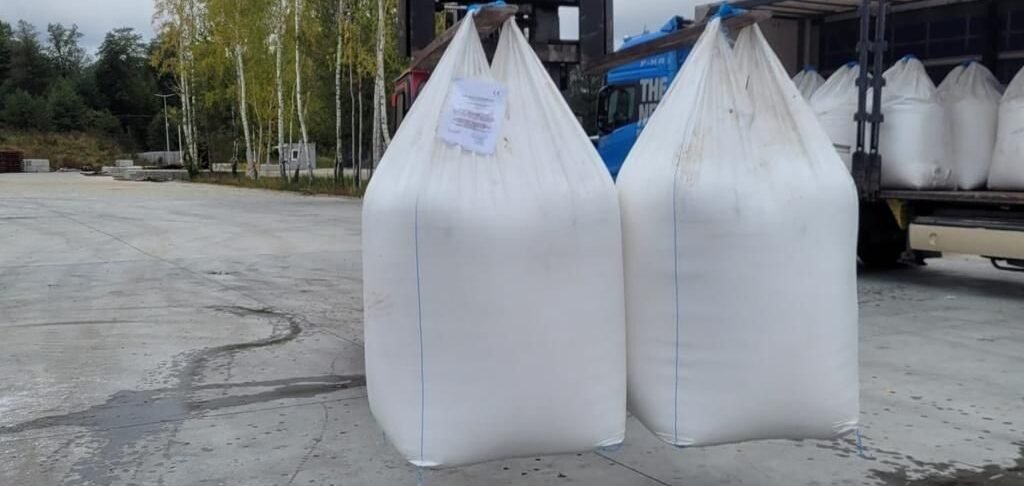
Agricultural distributors, fertilizer manufacturers, and commercial farms often purchase Urea 46 in bulk because of the quantities required for large-scale production.
When requesting a quotation, buyers should provide:
- Required quantity
- Granular or prilled grade
- Preferred packaging
- Destination country
- Destination port
- Required delivery terms
For current specifications, packaging, and commercial supply information, visit our Urea 46 Fertilizer product page.
Bulk supply is available with a minimum order quantity of 1 MT.
Frequently Asked Questions About Urea 46 Fertilizer
What does Urea 46 mean?
Urea 46 refers to fertilizer-grade urea containing approximately 46% nitrogen by weight.
What does 46-0-0 mean?
The 46-0-0 fertilizer analysis indicates approximately 46% nitrogen, with zero declared phosphate and zero potash.
Is Urea 46 a nitrogen fertilizer?
Yes. Urea 46 is a concentrated nitrogen fertilizer used extensively in agriculture.
Is granular urea better than prilled urea?
Neither form is universally better. Granular urea has larger and generally stronger particles, which can provide advantages for bulk handling, mechanical spreading and some fertilizer-blending applications. Prilled urea has smaller particles and remains widely used in agricultural markets.
Which crops can use Urea 46?
Urea can form part of fertilizer programs for maize, wheat, rice, sugarcane, vegetables, pasture and many other crops when additional nitrogen is required.
How much nitrogen is in a 50 kg bag of Urea 46?
A 50 kg bag containing 46% nitrogen provides approximately 23 kg of nitrogen.
Is Urea 46 suitable for NPK fertilizer manufacturing?
Yes. Urea is commonly used as a concentrated nitrogen source in fertilizer manufacturing and blending.
Where can I buy Urea 46 fertilizer in bulk?
Commercial farms, fertilizer distributors, and manufacturers can purchase Urea 46 from agricultural fertilizer suppliers. Buyers should compare product specifications, COA, packaging, shipping terms, and product origin before ordering.
Conclusion
Urea 46 fertilizer is a highly concentrated nitrogen fertilizer containing approximately 46% nitrogen. Also known as Urea 46-0-0, it is widely used in commercial agriculture and fertilizer manufacturing.
Its high nitrogen concentration makes it suitable for many crop-production systems, while granular and prilled grades provide options for different handling and application requirements.
However, effective nitrogen fertilization requires more than simply applying Urea 46. Farmers should consider soil analysis, crop requirements, timing, placement, and environmental conditions to maximize nitrogen-use efficiency.
Commercial buyers looking for granular or prilled Urea 46 fertilizer can visit our Urea 46 Fertilizer product page for specifications, packaging, documentation and bulk supply enquiries.