Call Us: +27 63 169 8798

What Is Cement Clinker? Uses and Production
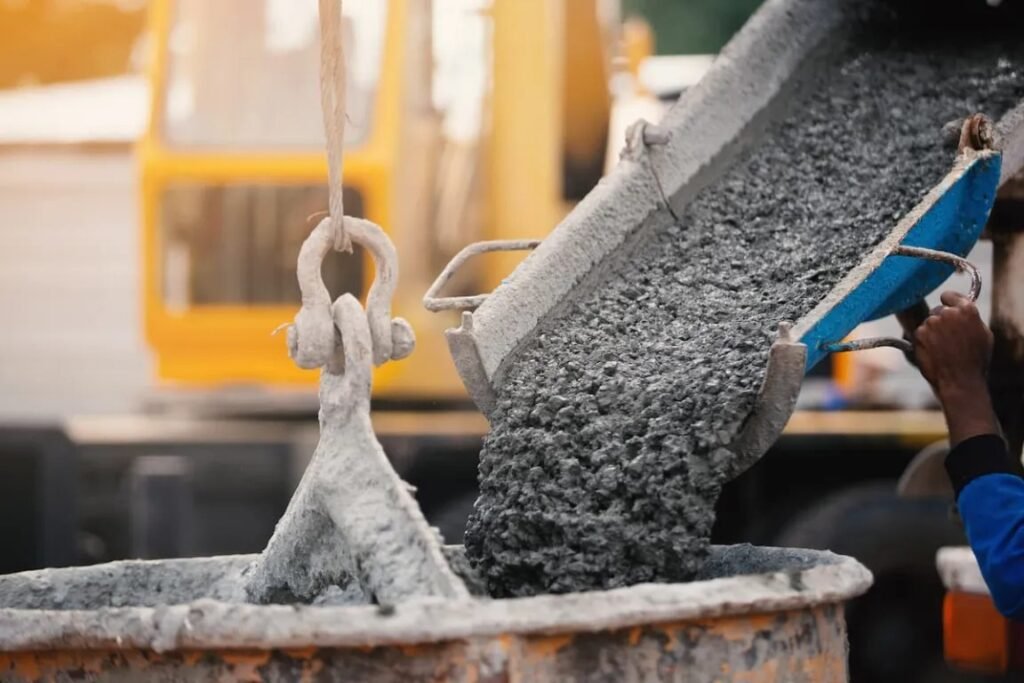
Cement clinker is a hard, nodular material produced during the manufacture of Portland cement. Although many people are familiar with cement as a finished construction material, clinker is the important intermediate product from which much of the world’s Portland cement is manufactured.
Clinker is produced by heating carefully proportioned raw materials, principally limestone and materials containing silica, alumina, and iron, to very high temperatures in a cement kiln. The resulting clinker nodules are cooled and subsequently ground with gypsum and, depending on the cement formulation, other permitted constituents to produce finished cement.
Understanding what cement clinker is helps explain how cement is manufactured, why clinker chemistry matters, and why clinker is traded internationally as an industrial raw material.
What Is Cement Clinker Made Of?
The principal raw material used in clinker production is limestone, which provides the calcium needed for cement-forming compounds.
Other raw materials are selected to provide silica, alumina, and iron. Depending on the manufacturing process and available geological resources, these may include clay, shale, sand, iron-bearing materials, and other corrective raw materials.
During kiln processing, these materials undergo complex chemical reactions and form the mineral phases responsible for many of the performance characteristics of Portland cement.
Four important clinker phases are commonly identified:
| Tricalcium silicate | C₃S | Important for early strength development |
| Dicalcium silicate | C₂S | Contributes significantly to later-age strength |
| Tricalcium aluminate | C₃A | Highly reactive and influences setting and sulfate behavior |
| Tetracalcium aluminoferrite | C₄AF | Iron-containing phase involved in clinker formation |
The exact proportions vary according to the raw materials, kiln conditions, and type of cement being manufactured.
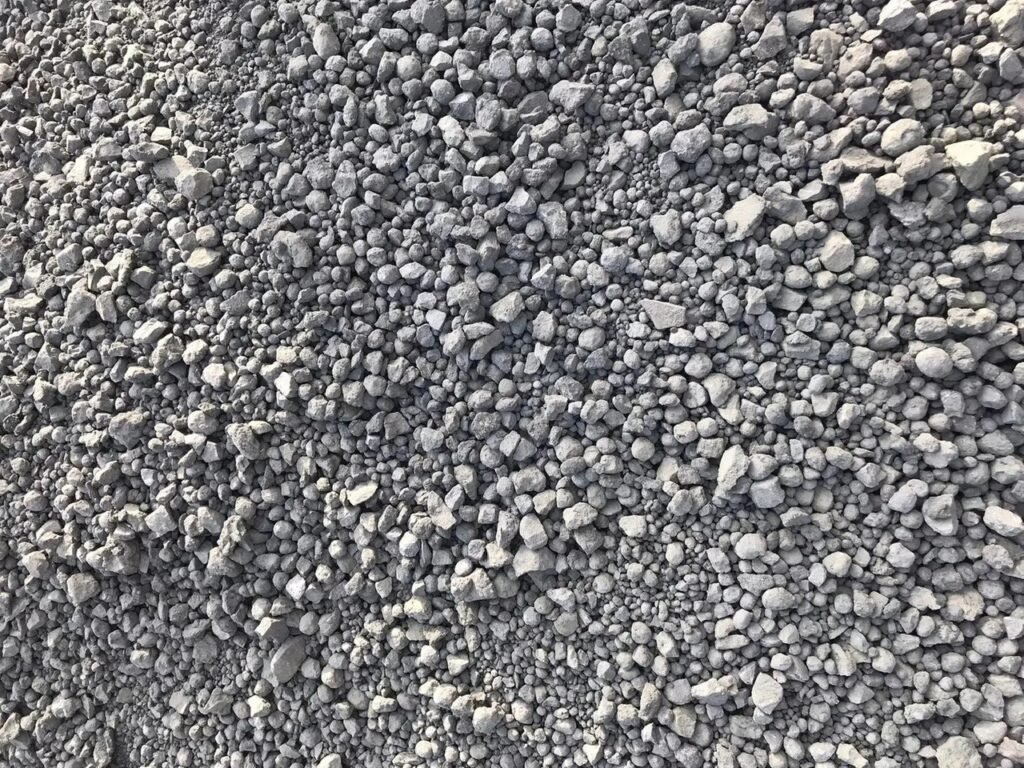
How Is Cement Clinker Produced?
Clinker manufacturing begins well before material enters the cement kiln.
1. Raw Material Extraction
Limestone and other required mineral materials are obtained from quarries or other suitable sources.
Limestone is particularly important because its calcium carbonate content supplies much of the calcium required for clinker formation.
2. Crushing and Preparation
The raw materials are crushed into smaller particles to make further processing easier and improve consistency.
They are then proportioned according to the chemical composition required by the cement plant.
3. Raw Meal Grinding
The proportioned materials are ground into a fine mixture generally known as raw meal.
Careful blending and homogenization are important because inconsistent raw meal chemistry can affect clinker quality.
4. Preheating and Calcination
Modern cement plants commonly preheat the raw meal before it enters the main burning zone.
As temperature increases, limestone undergoes calcination. Calcium carbonate decomposes, releasing carbon dioxide and producing calcium oxide.
This stage is one of the major sources of process-related carbon dioxide emissions from conventional cement manufacturing.
5. Clinker Formation in the Kiln
The material progresses into hotter regions of the rotary kiln, where temperatures in the burning zone are typically around 1,450°C.
At these temperatures, the constituent materials react to form the characteristic clinker mineral phases.
The material leaving the kiln appears as hard nodules that can range considerably in size.
6. Clinker Cooling
Hot clinker must be cooled rapidly and efficiently.
Cooling helps stabilize the desired mineral phases and allows heat to be recovered for use elsewhere in the manufacturing process.
The cooled material can then be stored before grinding.
How Does Clinker Become Cement?
Clinker and cement are related, but they are not the same product.
Clinker is an intermediate material. Cement is the finished hydraulic binder sold for construction and other applications.
To produce Portland cement, clinker is finely ground with a controlled amount of gypsum. Gypsum is important because it helps regulate the setting behavior of the cement.
Depending on the cement type and applicable standards, manufacturers may also use other constituents, such as limestone, granulated blast-furnace slag, pozzolanic materials, or fly ash.
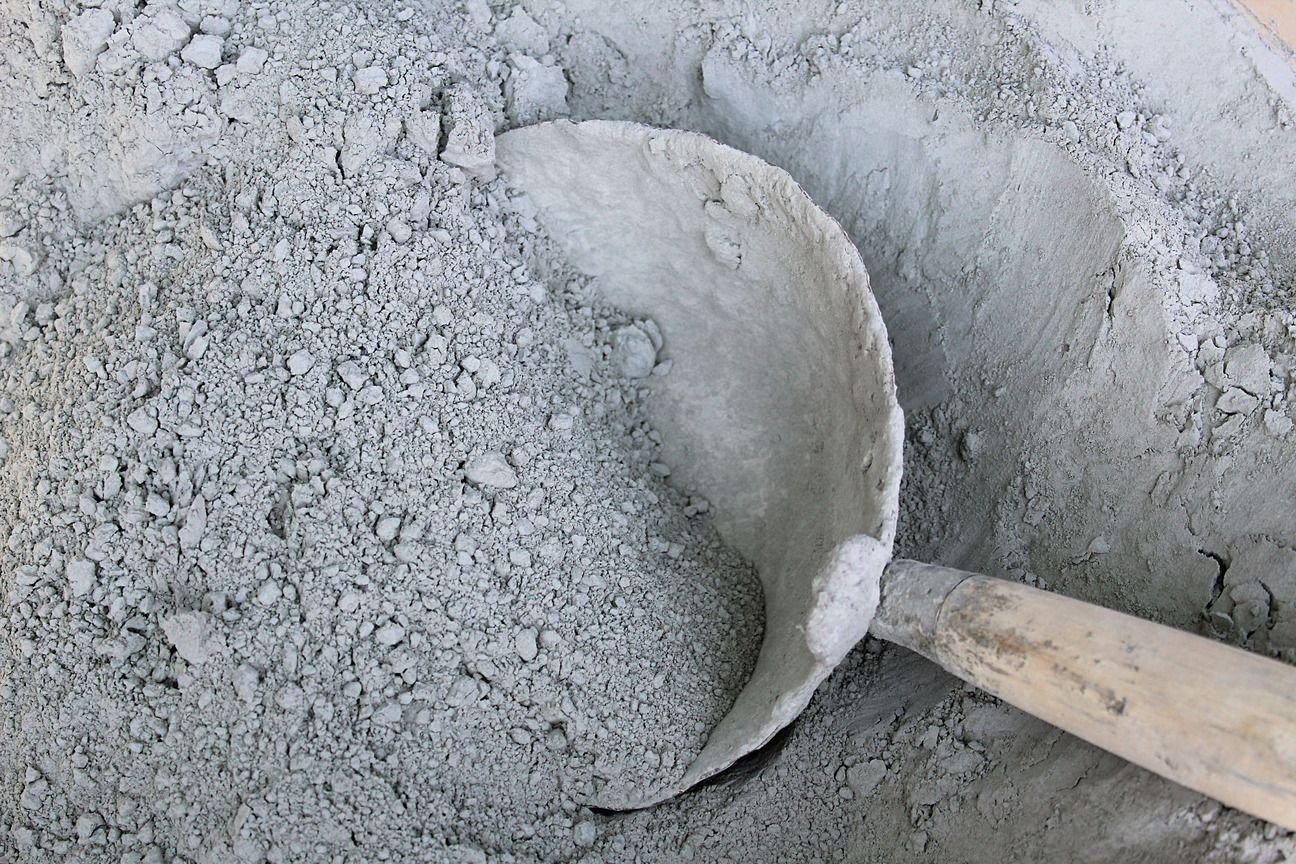
The finished powder is what consumers and construction companies generally recognize as cement.
Cement Clinker vs Cement
The distinction can be summarized simply:
Clinker → intermediate kiln product
Cement → finished ground binder containing clinker and other permitted constituents
This distinction is particularly important in international trade because one company may manufacture clinker while another imports the clinker and operates a grinding facility closer to its final cement market.
What Is Cement Clinker Used For?
The principal use of cement clinker is cement production.
Clinker can be transported from an integrated cement plant to another facility where it is ground into finished cement. This allows cement companies and independent grinding operations to source clinker without necessarily operating their own clinker-producing kilns.
Its major applications therefore include:
- Portland cement manufacturing
- Cement grinding operations
- Blended cement manufacturing
- Construction-material production
- Supply to independent cement grinding plants
- International cement-industry trade
Clinker is therefore predominantly an industrial raw material rather than a finished construction product intended for direct use in the same way as bagged cement.
What Is Portland Cement Clinker?
Portland cement clinker is clinker manufactured with the mineralogical and chemical characteristics required for producing Portland cement.
After grinding with gypsum and other permitted constituents, where applicable, it forms the basis of various Portland cement products.
Because cement performance depends partly on clinker characteristics, cement manufacturers closely monitor parameters such as mineral composition, free lime, magnesium oxide, sulfur compounds, alkalis, and other chemical properties.
Why Is Clinker Quality Important?
Not all clinker should be treated as an identical commodity.
Its chemical and mineralogical characteristics can influence cement manufacturing and final cement performance.
Important factors may include:
C₃S and C₂S content: These silicate phases influence strength development.
C₃A content: This phase influences hydration behavior and sulfate performance.
Free lime: Excessive free lime can indicate incomplete reactions or clinker-burning issues and may affect cement quality.
MgO: Magnesium oxide content is controlled because excessive levels can contribute to undesirable expansion under certain conditions.
Alkalis: Alkali levels may be relevant to cement specifications and the intended application.
For this reason, industrial clinker buyers commonly evaluate a Certificate of Analysis (COA) or other laboratory data before confirming large commercial purchases.
What Does Cement Clinker Look Like?
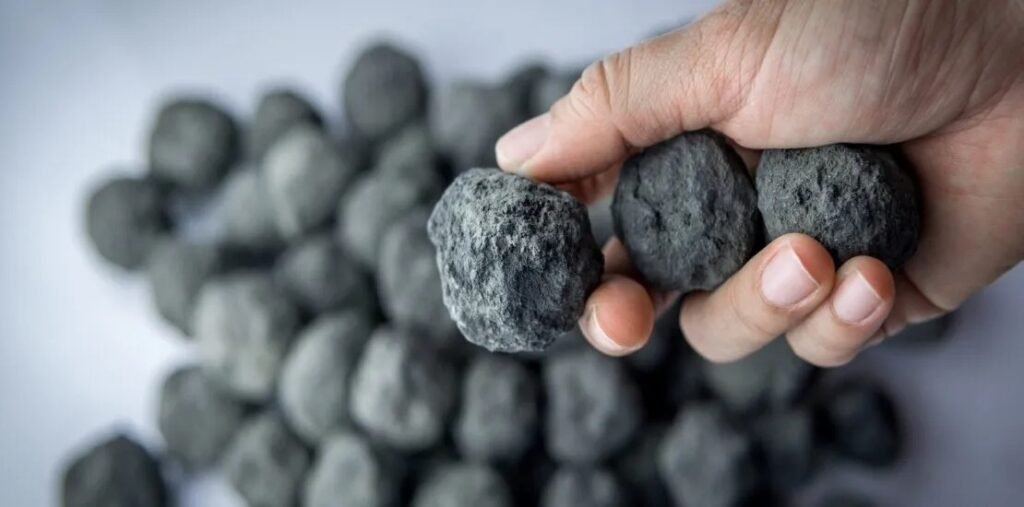
Cement clinker normally appears as hard, irregular nodules rather than the fine grey powder associated with finished cement.
Its appearance can range from dark grey to greyish-black, although appearance alone is not an adequate method for determining quality.
Laboratory analysis is considerably more important than visual inspection when evaluating clinker for cement manufacturing.
Why Is Cement Clinker Traded Internationally?
Clinker production requires substantial industrial infrastructure, including raw-material reserves, crushing and grinding systems, high-temperature kilns, fuel or energy supply, environmental controls, and considerable capital investment.
Not every cement producer operates an integrated clinker plant.
Some businesses instead operate cement grinding facilities. These plants import or purchase clinker and grind it locally to manufacture cement closer to the market where it will be sold.
This creates international demand for bulk clinker.
Clinker can therefore move between producing and consuming countries through ports and bulk shipping networks.
How Is Bulk Cement Clinker Transported?
Large commercial quantities are commonly transported as bulk cargo.
Depending on the supply chain, clinker may move by:
- Bulk vessel
- Barge
- Rail
- Bulk truck
- Other suitable industrial transport systems
Storage and transportation conditions should protect the material from excessive moisture and contamination.
International transactions may use Incoterms such as FOB, CFR, and CIF, depending on the agreement between buyer and seller.
What Should Buyers Check Before Purchasing Clinker?
Industrial buyers should evaluate more than price alone.
Technical requirements should first be established according to the type of cement the grinding plant intends to manufacture.
A clinker procurement specification may therefore consider chemical composition, mineralogical characteristics, free lime, MgO, SO₃, alkalis, clinker size, applicable standards, inspection requirements, and acceptable testing methods.
Commercial considerations include the required quantity, loading port, discharge port, shipment size, Incoterm, delivery schedule, payment terms, and independent inspection requirements.
A COA and representative technical specification should therefore form part of serious clinker procurement discussions.
What Determines Cement Clinker Price?
There is no single universal cement clinker price per ton.
Pricing can change according to clinker origin, technical specification, order quantity, energy costs, production costs, loading arrangements, ocean freight, destination, vessel size, market conditions, and contractual terms.
Freight can be particularly significant when clinker is transported over long distances.
This explains why an online price without information about quantity, specification, origin, destination port, and Incoterm may not accurately represent the final landed cost.
Cement Clinker and Environmental Considerations
Clinker production is one of the most carbon-intensive stages of conventional cement manufacturing.
Carbon dioxide emissions arise from both the energy required to heat the kiln and the calcination of limestone, during which carbon dioxide is chemically released from calcium carbonate.
The cement industry is consequently pursuing several approaches to reduce emissions, including greater thermal efficiency, alternative fuels, lower-carbon electricity, carbon capture technologies, and reducing the clinker-to-cement ratio through appropriate supplementary cementitious materials.
Reducing clinker content must nevertheless be managed according to cement performance requirements and applicable standards.
Frequently Asked Questions About Cement Clinker
Is clinker the same as cement?
No. Clinker is an intermediate product manufactured in a cement kiln. It is subsequently ground with gypsum and, where applicable, other constituents to manufacture cement.
What is cement clinker mainly used for?
Its primary use is the production of Portland cement and related cement products.
Why is gypsum added to clinker?
Gypsum helps regulate cement setting behavior after clinker has been ground.
What temperature is used to make clinker?
The burning zone of a cement kiln typically operates at approximately 1,450°C, although operating conditions vary between plants and processes.
Can clinker be exported?
Yes. Cement clinker is internationally traded, particularly between clinker-producing facilities and cement grinding plants.
What should a clinker buyer request?
Buyers should normally obtain the relevant technical specification and COA and confirm quantity, origin, delivery terms, destination, inspection requirements, and other commercial conditions.
Buying Cement Clinker for Industrial Use
For cement manufacturers and grinding facilities, selecting clinker requires both technical and commercial evaluation.
Buyers should establish the required clinker characteristics first and then evaluate available supply against the intended cement specification, quantity, logistics, and destination.
BRF SA Chemicals supports commercial inquiries for bulk cement clinker supply for cement manufacturers, grinding plants, importers, distributors, and industrial buyers.
For commercial availability, specifications, documentation, and export inquiries, visit our Cement Clinker Supplier product page or contact BRF SA Chemicals with your required quantity, specification, destination port, and preferred Incoterm.